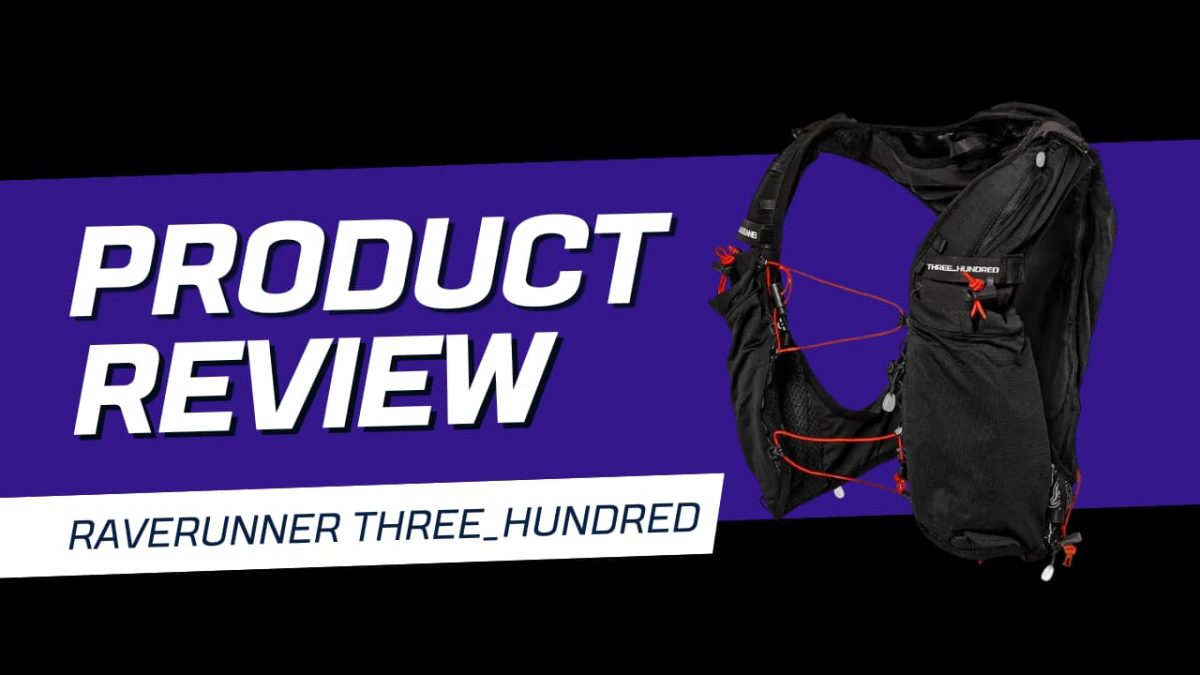
If you have ever strapped on a running vest only to feel like you were being hugged by a python with personal issues, this review is for you. The RaveRunner Three_Hundred (sometimes written as Raverunner 300) is a 15L hydration vest that has been making serious noise in the trail and ultra running community, and not for the usual reasons. It is not the lightest. It is not the cheapest. What it is, however, is the first vest a lot of broader runners have actually been able to wear without pulling it off at mile four to inspect the raw patches on their armpits.
This post is written for the larger beginner or “newbie”, and the person who has been told their whole life that running vests “just aren’t made for someone like you.” We are going to break down what a running hydration vest actually does, who the RaveRunner 300 is built for, and whether it deserves a spot on your starter gear list.
What Is a Running Hydration Vest, and Do You Even Need One?
Before we get into the specific review, let us cover the basics. A hydration vest is essentially a lightweight, form-fitting pack that holds water (either in soft flasks up front or a bladder in the back), plus your essentials like gels, a phone, keys, and a light layer. It is designed to sit close to your body so it does not bounce while you run.
You probably need one if:
- You are running longer than about 60 to 90 minutes at a time.
- You are training in hot weather where handheld bottles are not enough.
- You are heading into trails or remote areas with no water fountains.
- You are working toward a half marathon, marathon, or ultramarathon.
If you are doing 5Ks around the neighborhood, you do not need this yet. But the moment your runs start creeping past the hour mark, having accessible water on you changes the game.
The Big Problem the RaveRunner 300 Was Built to Solve
Here is the dirty secret of the running gear industry: most hydration vests are designed for very lean, slender frames typical of runners. That works great if you are built like a whippet. It works terribly if you have a broader chest, larger shoulders, or actual muscle mass in your upper body.
Common complaints from broader athletes wearing standard vests include:
- Armpit chafing so bad it draws blood after long runs.
- Chest straps that feel like they are trying to crush your sternum.
- Fabric digging into the upper traps and neck.
- Sizing up only to get a vest that bounces and slides everywhere.
The RaveRunner was built specifically to address all of this. It is not just a “bigger” vest. It is a fundamentally rethought design.
For myself, I tried a smaller “normal” guy vest and it was hard to strap and this led me to realizing I needed a bigger option, this led me to the 300 and I couldnt love it more.
– Josh
Key Features of the RaveRunner 300
Muscular Friendly Fit
The vest features a wider torso wrap and deeper underarm cutouts. In plain English: it gives your lats and pecs room to exist without rubbing against fabric for hours on end. This is the single biggest reason broader runners rave about it.
Neck and Trap Relief
One of the most overlooked hot spots on a running vest is right where the strap meets your upper trap muscle. The 300 omits fabric around the neck and traps entirely, which prevents that nagging rub that turns into a real injury around hour three.
Hydration Capacity
It holds up to a 2 liter bladder in the back, plus front flask pockets. For context, 2 liters is enough water for roughly 2 to 4 hours of running depending on heat and effort. That makes it a legitimate option for everything from long training blocks to full ultramarathons.
Zero Bounce Stability
The vest has been put through serious abuse, including the Arizona Monster 300, a brutal multi-day endurance event. Reviewers consistently say it stays locked against the body even on technical, rocky terrain. No slosh. No sway. No hot spots from constant movement.
The Pros
- Actually fits broader physiques without pinching, squeezing, or requiring you to size up into a parachute.
- Minimal to zero chafing even on 50K, 100K, and 100 mile efforts.
- Rock solid stability on technical trail.
- Generous 2 liter capacity for long efforts.
- Built and tested by people who actually run ultras, not designed in a vacuum.
The Cons
- The bladder cinch system can be finicky. As you drink down the water and the bladder gets less full, some users report it can slip if not secured with the right technique. It is a learning curve thing, not a dealbreaker.
- It is purpose-built, which means if you have a slender frame, this is probably not the vest for you. There are plenty of standard options that will fit better.
- Not the cheapest entry point into hydration vests, but you are paying for a problem-solving design.
Who Should Buy the RaveRunner 300?
This vest is a no-brainer if you fall into any of these categories:
- You are a broader, muscular, or larger framed runner who has been burned by other vests.
- You have tried two or more vests and ended every long run picking at raw armpits.
- You are coming into running from strength training, rugby, football, CrossFit, or any sport that built upper body mass.
- You are training for an ultra or long trail event and need something that can take a beating.
Beginner Tips for Using a Hydration Vest
Regardless of which vest you end up with, here are some quick basics:
- Test it on shorter runs first. Never debut a new vest at a race. Wear it for at least three or four training runs to find any rub spots.
- Wear a technical shirt underneath. Cotton is the enemy. A snug synthetic or merino layer reduces friction dramatically.
- Use anti-chafe balm on armpits, nipples, and anywhere the vest contacts skin. Yes, even with a good vest. It is cheap insurance.
- Practice drinking on the move. Pulling a soft flask out of a front pocket without breaking stride is a learned skill.
- Clean it after every long run. Salt and sweat eat fabric and zippers. Rinse it in cold water, hang dry, and your vest lasts years.
My Final Verdict
While the RaveRunner Three_Hundred is not trying to be a vest for everyone, this is exactly why it works and why I bought one. It identifies a real, specific, underserved problem in the running community (broader athletes getting destroyed by gear designed for someone else) and solves it with intent. The wider torso wrap, deeper armpit cutouts, neck relief, and zero bounce build quality make it a legitimate ultra-capable piece of equipment.
If you have a chest and shoulders that have ever made running vests feel like medieval torture devices, the RaveRunner 300 is one of the most thoughtful pieces of gear you can put on your back. For everyone else, it is still worth knowing about, because the running world needs more brands designing for real bodies instead of the same one mannequin.
You can check out the vest directly at raverunner.co.