Most Beginners Buy the 10 Essentials and Still Aren't Safe: Because Owning Them Isn't the Same as Knowing Them
Most beginners buy the 10 essentials and still aren't safe. Here's what each one is, why you carry it, and how to know it before the trail turns.

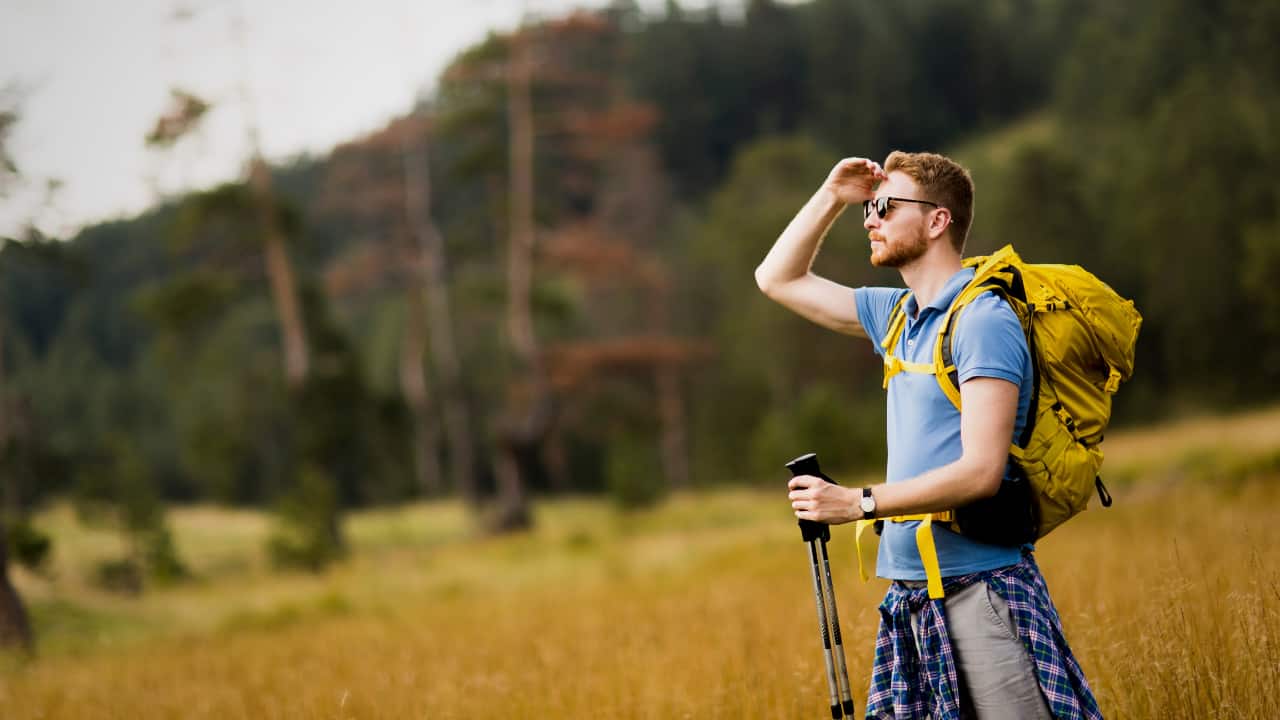
You did the responsible thing. You found a checklist, you bought the gear, and now there is a neat little pile of it living in your closet. Compass, headlamp, first aid kit, the works. You feel ready.
Here is the part nobody tells you. The Ten Essentials are not a receipt. They are a set of skills wearing the costume of a shopping list. You can own every single item and still be in real trouble the first time a trail turns on you, because owning them is not the same as knowing them. A headlamp you have never switched on in the dark is not light. A compass you cannot read is a paperweight with an arrow on it.
So this is not another list of things to buy. It is the why behind each one, written for the beginner who wants to actually be ready instead of just looking ready.
What the Ten Essentials are actually for
The list has been around for decades, and the modern version groups the gear into systems rather than a rigid ten items. But the whole thing rests on one quiet idea: you should be able to survive one unplanned night outside. Not thrive. Survive.
Picture how it actually goes wrong. A rolled ankle two miles in. A wrong turn at dusk that adds an hour you do not have. A storm that shows up faster than the forecast promised. Any one of those can quietly turn a three hour walk into a night out, and a night out is where beginners get hurt.
You carry this gear hoping you never touch it. That is the entire deal. Most of it should come home unused, every single trip. The one day it does not come home unused is the day it pays for every ounce you ever carried.
The ten, and what knowing each one really means
Every item below has two halves: the thing you own, and the thing you know. The second half is the one that keeps you safe.
1. Navigation
The gear is a map and compass, or a GPS device and app with the map saved for offline use. The knowing is this: your phone is not a plan. Cell service dies in exactly the places you need it, and a dead battery takes your only map down with it. Always try to download the trail before you leave the parking lot, and carry a backup that needs no battery at all. A printed map you can barely read still beats a black screen.
2. Headlamp
A hands free light with fresh batteries. Beginners plan for the hike they meant to take, not the one that runs long, and hikes run long. You move slower than you expect, breaks stretch out, and the sun drops faster than feels fair. A headlamp turns “we are stuck in the dark” into “we are walking out slowly.” A phone flashlight just drains the battery you might need to call for help.
3. Sun protection
Sunscreen, sunglasses, a hat, lip balm, and UPF rated clothing that covers you. This is the one newcomers wave off, and it punishes you slowly rather than all at once. Here is the honest part most guides skip: if you are newer and moving at a gentler pace, you are out there longer, which means more hours under the sun, not fewer. A burned neck and a squinting headache can quietly end a good day.
4. First aid
A small kit, plus the knowledge to actually use it. The most common trail injury is not dramatic, it is a blister. Learn to tape a hot spot the moment you feel it, before it becomes a raw, limping wound three miles from the car. Add what you personally need, allergy meds, any prescriptions. A kit you have never opened is a mystery box in an emergency, so open it at home first and see what is inside.
5. Knife or multi-tool, plus a small repair kit
A blade, and a little duct tape and a few zip ties. A pack strap fails, a shoe sole starts flapping, a lace snaps. None of these are emergencies until you are far from the trailhead with no way to fix them. A strip of duct tape wrapped around your water bottle has rescued more hikes than any expensive gadget ever will.
6. Fire
A lighter or waterproof matches, and a firestarter that catches even when things are damp. Fire is warmth and a signal when a day goes sideways, but wet wood and cold, shaking hands do not care about good intentions. Light a firestarter once in your backyard. Then you know it works, and more importantly, you know you can do it.
7. Emergency shelter
A light emergency bivy or a space blanket, packed down to the size of your fist. This is the one beginners skip hardest, because it feels like overkill for a day hike. It is also the single item that keeps an unplanned night from turning dangerous. Staying dry and holding onto your own body heat is the whole difference between an uncomfortable story you tell later and a rescue you needed.
8. Extra food
More than you plan to eat, an extra bar or two beyond the math. The bonk is real. When you run out of fuel, your legs turn to concrete and your thinking goes foggy, and foggy thinking is exactly how good decisions stop happening. Extra food is cheap insurance for your body and, just as much, for your judgment.
9. Extra water, and a way to treat more
More water than the hike should strictly need, plus I will always suggest a filter or purification tablets for anything longer. A rough starting point is about one liter per person per hour, and if you carry more body weight or sweat harder, you need more, not less. Running dry two miles from the car in the heat is genuinely dangerous, not just uncomfortable. Know where the water is on your route, and know how to make it safe to drink.
10. Extra clothes
One layer beyond what the day seems to call for. Weather at the trailhead lies. Wind, elevation, and a hike that stalls out after dark can drop the temperature fast, and cotton that gets wet will not warm you back up no matter how long you wait. One packable layer you carry all day and never put on is the win here, not the wasted effort.
The essential that never fits in the pack
Notice how every item had a knowing half. That is the part the gear cannot do for you, and the most important piece of it costs nothing.
Tell one person where you are going and when you will be back. A friend who knows your plan is the reason a search starts hours sooner instead of the next morning. Leave a note on the car seat too, with your route and your expected return time. It is the cheapest safety gear you will ever not carry.
Then practice, at home, where the stakes are zero. Read the compass on your own street. Light the firestarter in the yard. Open the first aid kit at the kitchen table and actually look at what is in there. Practice before you need it, so the skill already belongs to you on the day the stakes are not zero anymore.
Start where you actually are
You do not need all ten systems for a flat, busy, one mile loop a hundred yards from your car. You do need to grow into them as your hikes get longer, quieter, and farther from help, which is the direction most of us drift once we fall for this.
If you are still figuring out which trails, and honestly which discipline, even fit your body and your week, our Start Here guide is a gentler on-ramp. From there, the Walking and Hiking hub and its hiking and backpacking pages go deeper on the skills as you build them.
The Ten Essentials are not about fear. They are about earning the confidence to go a little farther, knowing you can handle it if the day does not go to plan. So buy the gear, sure. Then learn it, one item at a time, until that pile in your closet becomes something you actually know how to use. Every mile is earned, and so is the readiness that gets you home.