You're Probably Overdressed: Why Experienced Hikers Wear Less Than You Think
Most new hikers overdress and pay for it in sweat and weight. Learn to layer, carry less, and pick gear that does more than one job on the trail.

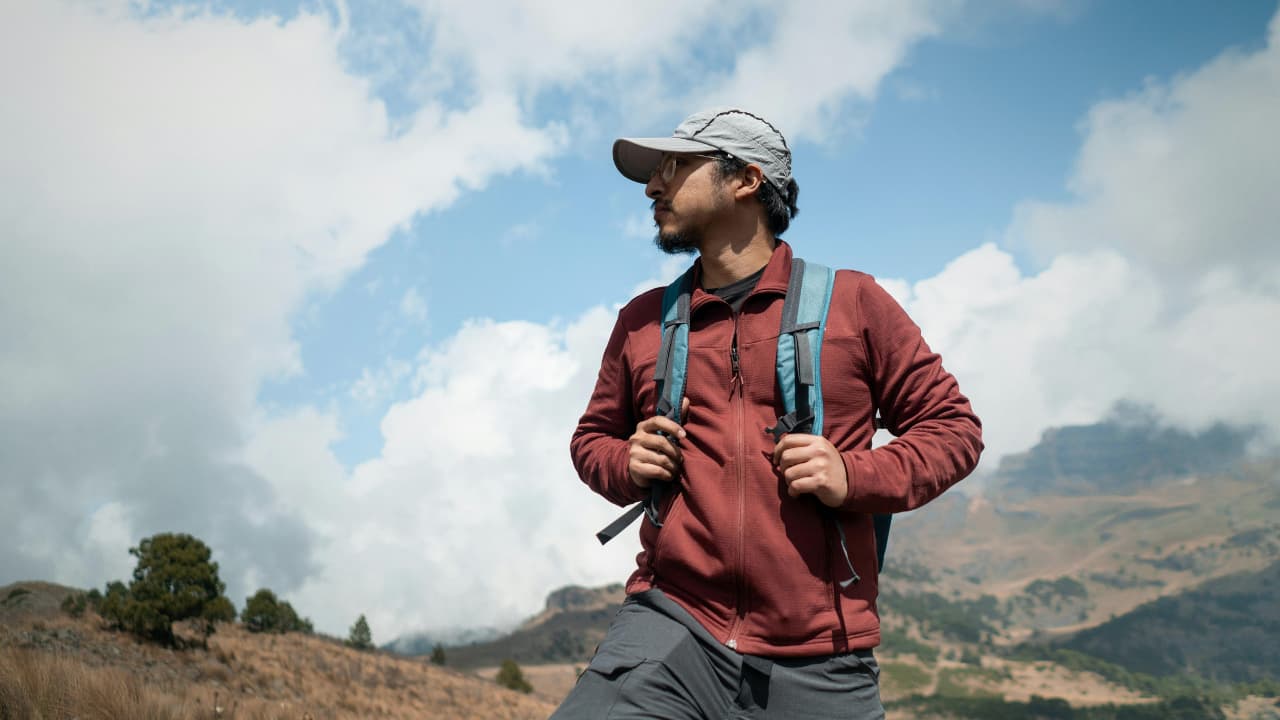
You pull into the trailhead, the morning air bites a little, so you zip up the fleece, snug a jacket over it, maybe add a beanie. Smart, right? Then twenty minutes up the first climb you are peeling all of it off, sweating through your base layer, stuffing damp clothes into a pack that is now heavier and wetter than when you started.
That cycle is the most common beginner mistake on the trail, and it has almost nothing to do with the temperature. You were not underprepared. You were overdressed.
The hikers who look like they have it figured out are usually wearing less than you would guess, and carrying less too. Not because they are tougher. Because they learned a skill you can pick up this week: how to layer so a small, smart kit handles a huge range of conditions.
Why overdressing makes you colder, not warmer
Here is the part nobody explains. The enemy on a hike is rarely the cold air. It is your own sweat.
When you start out bundled up, your body heats fast once you are moving, and you sweat. That sweat soaks your layers. Then you stop for a snack, or the wind picks up on a ridge, and now you are wearing wet clothing in cold air. Wet clothing is cold clothing. It pulls heat off you fast and takes forever to dry, especially when the weather is damp.
So the goal is not to feel toasty in the parking lot. The goal is to feel slightly cool when you start, knowing you will warm up within the first five to ten minutes of walking.
A little chilly before you take a step is exactly right. If you are already comfortable standing still, you are already overdressed.
Layering is a skill, not a pile of clothes
Most beginners think layering means owning a lot of clothing and swapping pieces all day. It is closer to the opposite.
A good layering system lets you stay comfortable across a wide span of temperatures without stopping to dig through your pack. Experienced hikers can hold a steady body temperature from a frosty morning into a mild afternoon on the same handful of layers, because they regulate heat in small moves long before they reach for a new garment.
The order of those moves matters. When you start to heat up, the first things off are your hat and gloves, because your head and hands shed heat quickly. Next you open a zipper, push your sleeves up, loosen a collar. Only when none of that is enough do you actually take a layer off. When you cool back down, you run the same list in reverse.
Why bother with the small stuff first? Because every full stop to drop your pack, pull a layer, and shoulder the pack again costs more time than you think, and on a cold day it is plenty long enough to get chilled. Small adjustments beat big stops.
The hidden cost of “just in case” clothing
When you are new, the instinct is to pack for every disaster. An extra fleece, a spare shirt, a second jacket, all stuffed in for peace of mind.
That instinct is expensive twice over. It costs money, because you buy clothing you never wear. And it costs your back, because all of it rides up the mountain on your shoulders whether you use it or not.
The fix is not toughness, it is editing. A small set of well chosen layers will cover more real conditions than a heavy pile of redundant ones. Beginners tend to bring both too many layers and the wrong ones. Pick fewer pieces that each do honest work, and the whole day gets lighter and simpler.
One item, many jobs: why multifunctional wins
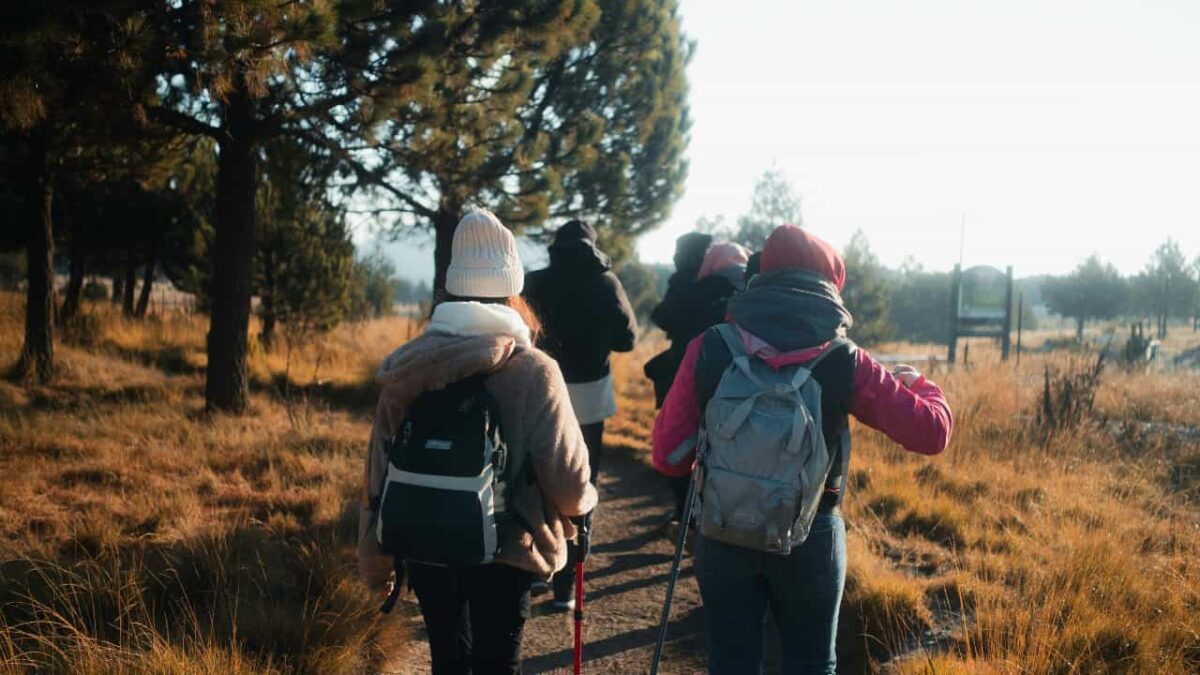
This is where carrying less turns into carrying smarter. The pieces worth their weight are the ones that do more than one job.
Your warm puffy is the clearest example. It is your insurance for cold rest stops, and if you ever stay out overnight it can add real warmth on top of your sleep setup, so you are not hauling a separate camp jacket and a sleep layer. One piece, two jobs. Plenty of experienced hikers skip dedicated sleep clothes entirely and simply rest in what they hiked in, letting slightly damp layers dry out overnight. That is one fewer outfit to carry.
The same logic runs through a good kit. A breathable fleece that dries fast becomes your moving layer and your sit-around layer. A light wind shell doubles as a backup rain layer in a drizzle. A buff is a neck gaiter, an ear warmer, and a sweat rag all at once. Every piece should earn its place by doing more than one thing. Single use items are the first thing to cut.
A simple starter kit you can actually build
You do not need a closet of technical gear to begin. Think in jobs, not brand names.
- A moving layer: a breathable shirt or light fleece you hike in, something that dries fast and is not cotton.
- A warm layer: an insulated jacket you only put on when you stop.
- A shell: a wind and rain layer that lives in an outside pocket so you can grab it without unpacking.
- The small stuff: a hat, light gloves, and a buff, the cheapest and lightest way to fine tune your temperature.
Notice what is not on that list: backups of everything. Start here, hike in it a few times, and let real days on the trail tell you what to add. Most beginners find they needed less than they feared. If you are still figuring out which kind of hiking suits you in the first place, our find your discipline guide is a good place to begin, and the full walking and hiking hub goes deeper from there.
How to use it once you are out there
The kit only works if you run it right, and the habits are simple.
Start a little cold and let movement do the warming. Keep moving when it is cold rather than standing around, because steady, easy effort is what keeps your internal furnace lit. Adjust early with hats, gloves, and zippers before you ever stop to change a full layer.
And put your rain gear on before you get wet, not after. Once your clothing is soaked, the rest of the day is much harder to recover, so keep that shell somewhere you can reach in seconds.
There is an old line among hikers that there is no such thing as bad weather, only the wrong clothing. It overstates things a bit, since real weather can be genuinely dangerous, but the spirit holds. Comfort on the trail comes from how you manage what you wear, not from how much of it you own.
The takeaway
So the next time you want to layer up in the parking lot, do the harder thing and start a touch cold. Trust the climb to warm you. Carry less, choose pieces that pull double duty, and learn to adjust in small moves instead of big stops.
That is not a shortcut. It is a skill, and like everything out here, you earn it one mile at a time. Whatever your next mile looks like, earn it.