Your First Trail Run: The Etiquette Mistakes Nobody Warns You About
New to trail running? Learn the unwritten etiquette rules nobody warns you about, from yielding and leashing dogs to switchbacks, noise, and trail-side friendliness.

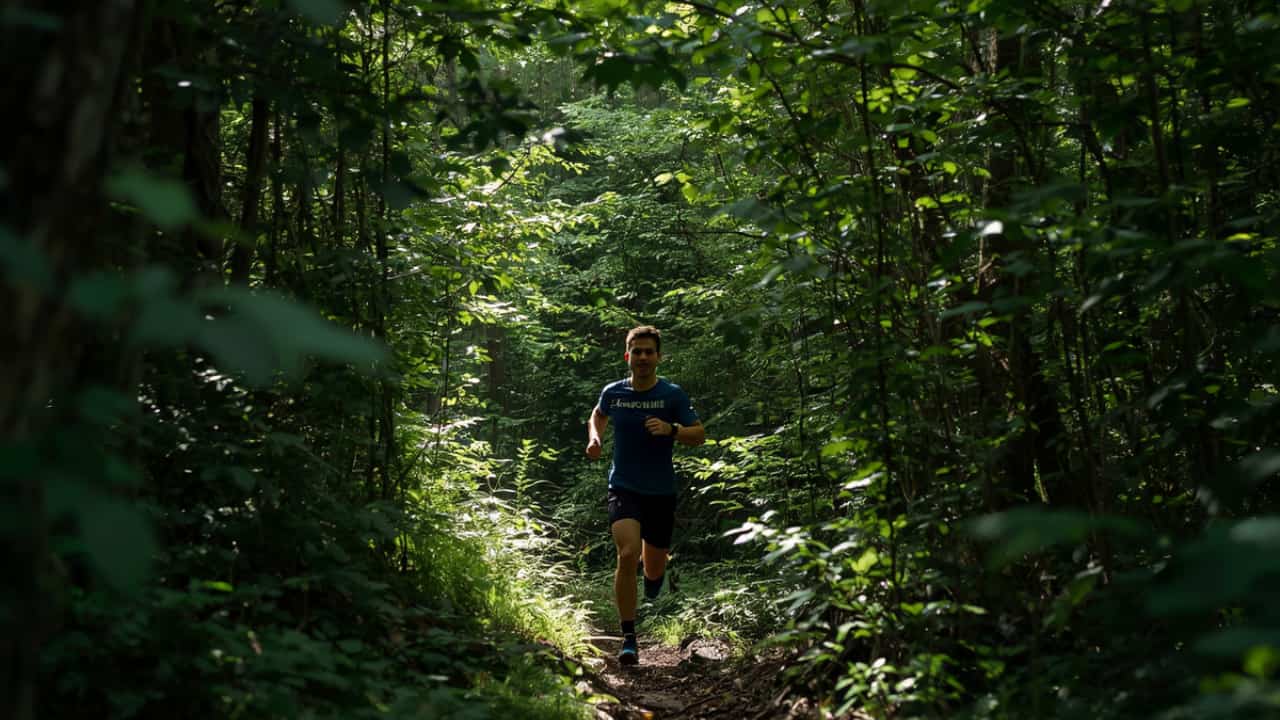
Nobody hands you a rulebook on your first trail run. You lace up, you find a trailhead, and you head out into the woods assuming the same rules apply as they did on the sidewalk. They do not. Trail culture has its own quiet set of expectations, and most beginners only learn them after a glare, an awkward standoff, or a muttered comment from a passing hiker.
The good news is that none of this is complicated. Trail etiquette is mostly common courtesy with a few specifics attached. Learn these before your next run and you will blend right in with people who have been doing this for years.
Know Who Yields to Whom
The single most common rookie mistake is not knowing the right-of-way hierarchy. It is simpler than it sounds once you understand the logic behind it.
- Runners yield to hikers. You are faster and more agile, so the burden is on you to step aside and pass cleanly.
- Everyone yields to horses. Horses are large, easily startled, and unpredictable. Step to the downhill side of the trail, stop, and speak calmly so the horse knows you are a person and not a threat.
- Downhill runners yield to uphill runners. The person climbing has the harder rhythm to maintain, so let them keep it.
That last one trips up almost everyone at first. It feels backwards to give way when you are the one flying downhill, but stopping a climber midstride is far more disruptive than briefly pausing your descent.
Announce Yourself Before You Pass
Trails are narrow and often noisy with wind and water, so people genuinely do not hear you coming. Sprinting silently past someone’s shoulder is startling and a little rude.
A friendly “on your left” as you approach gives them time to react. If the trail is too tight to pass safely, slow down and wait for a wider spot rather than forcing it. A quick “thank you” as you go by closes the loop and keeps the whole exchange warm.
Leash Your Dog, Every Time
You know your dog is friendly. The runner coming the other way does not, and neither does the toddler, the leashed reactive dog, or the deer your pup might decide to chase across a road.
If leashes are required, use one. If they are not, keep your dog under genuine voice control and within sight. And this part is not optional: pack out the waste. Leaving a bag of it on the trail to “grab on the way back” is somehow worse than not bagging it at all.
Stay on the Trail and Never Cut Switchbacks
Switchbacks exist for a reason. They spread the climb out and protect the hillside from erosion. Cutting straight down between them carves a shortcut that funnels water, kills plants, and slowly destroys the trail for everyone behind you.
The same goes for puddles and mud. Run straight through the middle, not around the edges. Skirting a wet patch widens the trail and tramples whatever is growing alongside it. If the whole trail is a soupy mess after heavy rain, the kindest move is to choose a different route entirely and let it recover.
Leave No Trace, Including the Gross Stuff
The principle is simple. Whatever you carry in, you carry out. Gel wrappers, tape, banana peels, and tissues all come home with you, even the things you assume will biodegrade. A citrus peel can sit on the ground for weeks, and it teaches wildlife to associate trails with food.
Then there is the unglamorous side of running bodies. Snot rockets and spitting are a reality of hard efforts, but aim well off the trail and never in someone’s direction or near a water source. When nature calls, get well away from the path and any stream, and pack out your tissue. Nobody wants to find it.
Mind Your Volume
Plenty of people come to the trail specifically for the quiet. Blasting music from a speaker, or running with both earbuds in at full volume, breaks that for everyone around you and means you cannot hear a faster runner or a “passing on your left” behind you.
If you love music, keep it in your own ears at a reasonable level, or leave one earbud out. The trail is a shared space, and the soundtrack should stay personal.
Run Single File in a Group
Running with friends is one of the best parts of the sport, but a wall of three or four people sprawled across the trail forces everyone else into the bushes. On narrow trails, drop into single file when others approach and call out how many of you there are so the oncoming person knows what is coming.
Just Be Friendly
This is the part that surprises new road runners the most. On the trail, people say hello. A nod, a wave, a quick “morning” as you pass is the norm, not an intrusion. It is a small culture of acknowledgment that makes remote places feel a little safer and a lot more welcoming.
You do not have to stop for a conversation. You just have to recognize the other person as a fellow traveler out there for the same reasons you are.
The Real Rule Behind All the Rules
Every item on this list comes back to one idea. Leave the trail and the people on it a little better than you found them. Yield generously, tread lightly, keep your noise and your dog and your trash in check, and greet the people you meet.
Do that, and you will never be the runner anyone complains about at the trailhead. You will just be one more friendly face out enjoying the dirt, which is exactly the point.