Half Your Sweat Is Wasted, and Your Shirt Decides Which HalfSweat only cools you when evaporating
Gear Guides
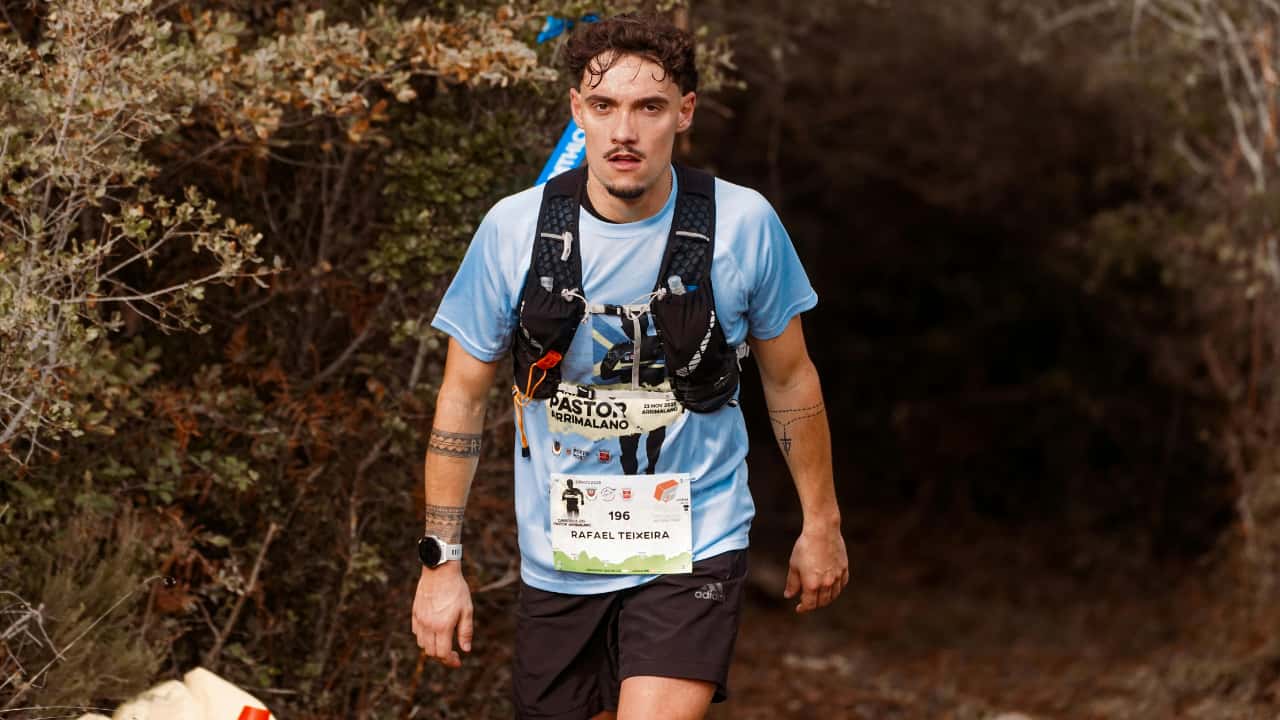
Trail running is the practice of running on unpaved natural surfaces like dirt paths, forest tracks, mountain ridges, and desert terrain. It trades the predictability of pavement for the beauty and physical demands of the outdoors, rewarding you with scenery, solitude, and a full-body workout that road running simply cannot replicate.
Benefits: Clears the mind while strengthening the body
Expected Startup Costs: $300 to $1,800 per year (shoes + gear + race entries + travel)
Trail running is running done off-road, on natural surfaces that vary from groomed dirt paths in local parks to technical single-track mountain routes with loose rock, tree roots, stream crossings, and significant elevation gain. The defining characteristic is that the terrain itself is constantly changing, which demands more mental engagement and whole-body coordination than running on a flat road or treadmill.
Unlike road running, pace becomes far less meaningful on trails. Steep climbs often require power hiking rather than running, and technical descents demand careful foot placement that slows you down regardless of fitness level. Trail runners measure effort by time on feet and elevation gain as much as by distance covered, and a ten-kilometer trail run in the mountains can take as long and demand as much energy as a half marathon on the road.
The sport spans an enormous range of distances and formats. Local trail runs of five to fifteen kilometers are common entry points and require modest fitness. Ultra-marathons, which begin at fifty kilometers and extend to one hundred miles and beyond, represent the far end of the spectrum and require months or years of dedicated preparation. Between those extremes sit trail half marathons, marathons, and sky races that cover alpine terrain at high altitude.
Trail running also exists comfortably outside of competition entirely. Many trail runners never enter a race and instead run for the experience of moving through natural landscapes, the mental reset that comes from time in nature, and the physical challenge of exploring new terrain. The sport is as social or as solitary as you want it to be.
The first step is simply finding a trail near you and going for a walk or easy jog on it. You do not need to plan a training program or buy specialist gear to begin. A comfortable pair of running shoes and awareness of your surroundings is enough to explore local dirt paths, park trails, or green belt routes. Your first goal is simply to get comfortable moving on uneven ground and to discover what trails are accessible to you.
Once you have found a trail you enjoy, start running it regularly at an easy effort. Walk any steep sections without guilt. Power hiking uphill is a legitimate and efficient trail running technique used by elite athletes at all distances, and learning to walk-run from the beginning builds the right habits for longer efforts down the road.
When you are ready to invest in proper trail shoes, visit a running specialty store where staff can assess your gait and foot shape and recommend a shoe suited to the type of terrain you are running on most. This is one purchase worth doing in person rather than online, at least for your first pair.
If you want to race, start with a local five to fifteen kilometer trail event rather than something long or mountainous. Many trail running clubs and running stores organize low-key local runs and group outings that are excellent for learning trail etiquette, discovering new routes, and meeting other runners who can share knowledge about local terrain and conditions.
Gear Guides
How-To & Guides

Gear Guides
Gear Guides

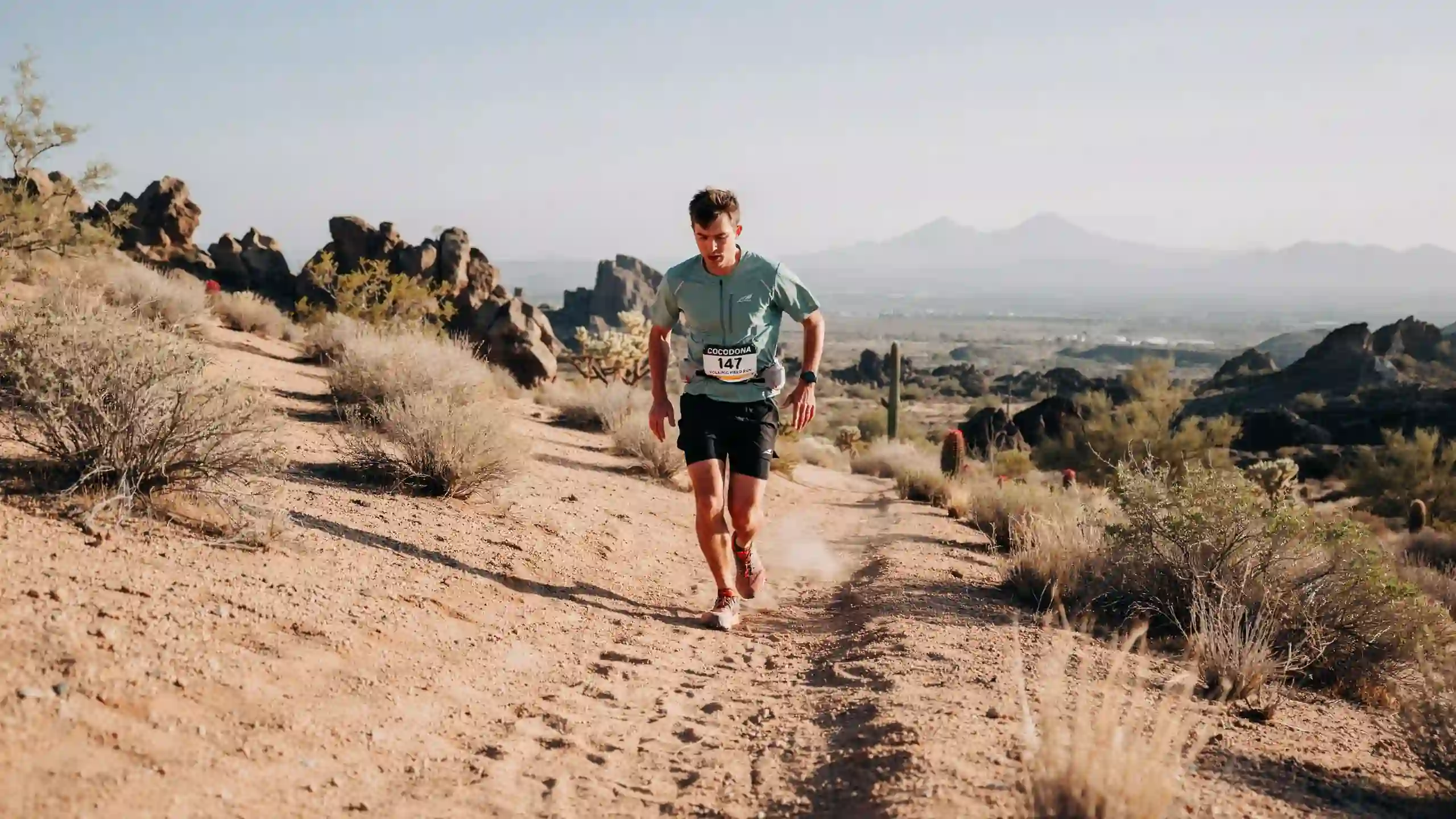
Month 1: Your body is adapting to terrain demands it has not encountered before. Even experienced road runners find that trails engage the ankles, calves, hips, and stabilizing muscles of the lower leg in new ways, and soreness in these areas is completely normal in the early weeks. Slow down significantly compared to your road pace and focus on moving comfortably rather than covering distance quickly.
Run by time rather than distance in this phase. A thirty-minute trail run is a meaningful session regardless of how far you travel. Trying to hit a specific distance target on unfamiliar terrain leads to pushing too hard on difficult sections. Running for time removes that pressure and teaches you to manage effort intuitively, which is a core trail running skill.
Month 2: Your ankle stability and proprioception begin to improve noticeably. Footing on uneven ground starts to feel more automatic and less like something you have to consciously think through with every step. You can start to increase your time on feet gradually, adding five to ten minutes to your longer weekly run every week or two.
Begin incorporating deliberate elevation into your runs if local terrain allows. Seeking out hills, even modest ones, develops the quad strength needed for descending and the hip flexor and calf capacity needed for climbing. If your local trails are flat, stair climbing or treadmill incline work provides a useful substitute. Also start experimenting with nutrition and hydration on runs longer than sixty minutes, as learning to fuel on the move is a skill that takes practice.
Month 3: You are developing a feel for what trail running actually is as a sport rather than just a variation of road running. Your pacing instincts on varied terrain are improving, you are more confident on technical ground, and longer outings are starting to feel achievable rather than daunting. This is a good time to plan your first trail race or a longer route that represents a meaningful personal challenge.
Start thinking about your long run as the centerpiece of your training week. One longer effort every seven to ten days, progressively extended over time, builds the aerobic base and mental endurance that trail running rewards most. Keep your other runs easy and recover well between sessions. Consistency across many weeks matters far more in trail running than any single heroic effort.
Gear Guides

How-To & Guides

How-To & Guides

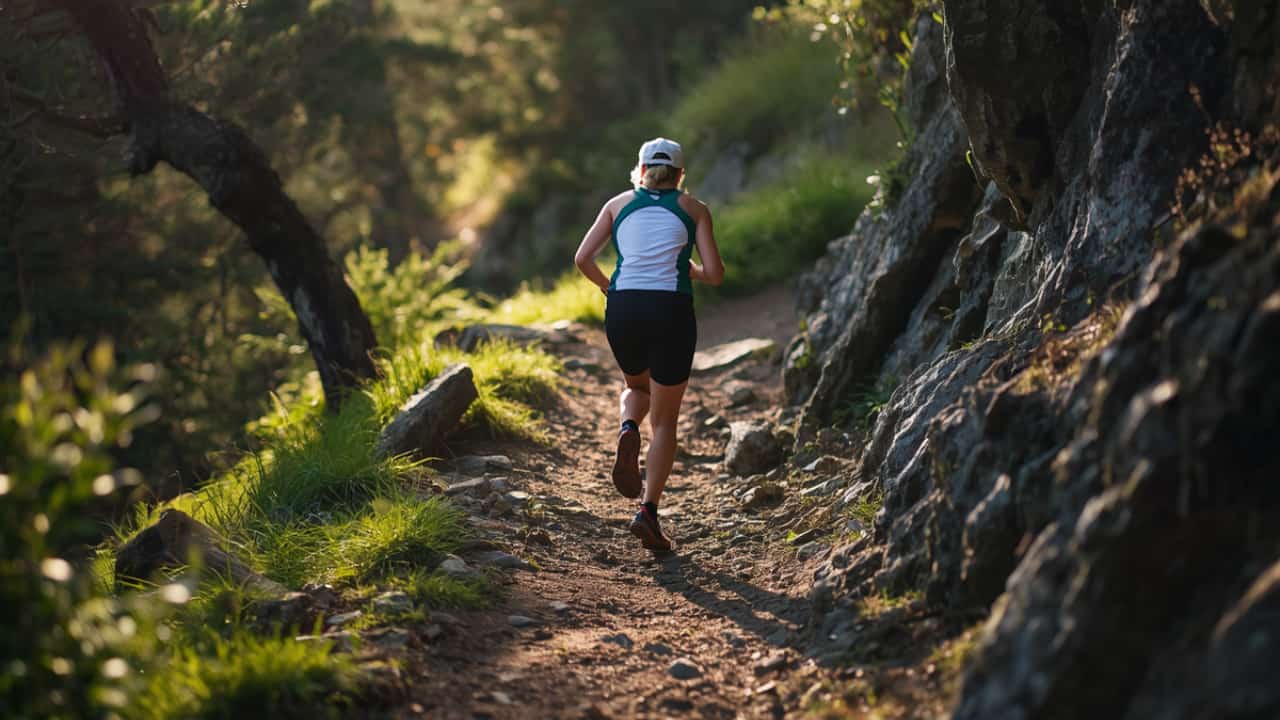
Trail running shoes ($100 to $200): The most essential purchase. Trail shoes differ from road shoes in having a more aggressive outsole for grip on dirt, mud, and rock, a protective rock plate in the midsole to shield your foot from sharp stones, and a more durable upper that holds up to abrasion. The right shoe depends heavily on the terrain you run on most. Soft, muddy trails call for aggressive lugs. Hard-packed dirt and rock demands a more moderate tread. A specialist running store can guide you to the right match.
Hydration vest or handheld bottle ($30 to $150): For runs beyond sixty to ninety minutes, carrying water becomes necessary rather than optional. A soft flask held in one hand works well for shorter runs. A lightweight hydration vest with front pockets for flasks, gels, and a phone is the preferred choice for longer outings and races, as it distributes weight evenly and keeps your hands free.
Moisture-wicking running kit ($40 to $120): Lightweight, breathable shorts or tights and a technical top that manages sweat and dries quickly are all you need for most conditions. Trail running shorts often have built-in briefs and multiple small pockets for gels and a phone. Avoid cotton entirely, as it holds moisture and causes chafing on longer runs.
Trekking poles, optional ($60 to $200): On mountainous or very hilly terrain, collapsible trekking poles significantly reduce the effort of climbing and protect the knees on steep descents. They are used widely at ultra distances and in mountain races. For flat or rolling local trails they are unnecessary, but for anyone drawn toward mountain running they become genuinely valuable.
Headlamp ($30 to $100): If you ever run early in the morning, late in the evening, or in dense forest where light fades quickly, a reliable headlamp is a safety essential rather than an optional accessory. A lightweight rechargeable lamp with a minimum of 200 lumens is sufficient for most trail conditions.
Race entry fees ($40 to $200 per race): Local and community trail races at shorter distances are often very affordable, sometimes as low as $25 to $40. Larger organized events, mountain races, and ultra distances command higher entry fees. Some trail ultras in popular locations like national parks sell out months or even years in advance, so planning ahead is important if you have a specific event in mind.

How-To & Guides

How-To & Guides

How-To & Guides
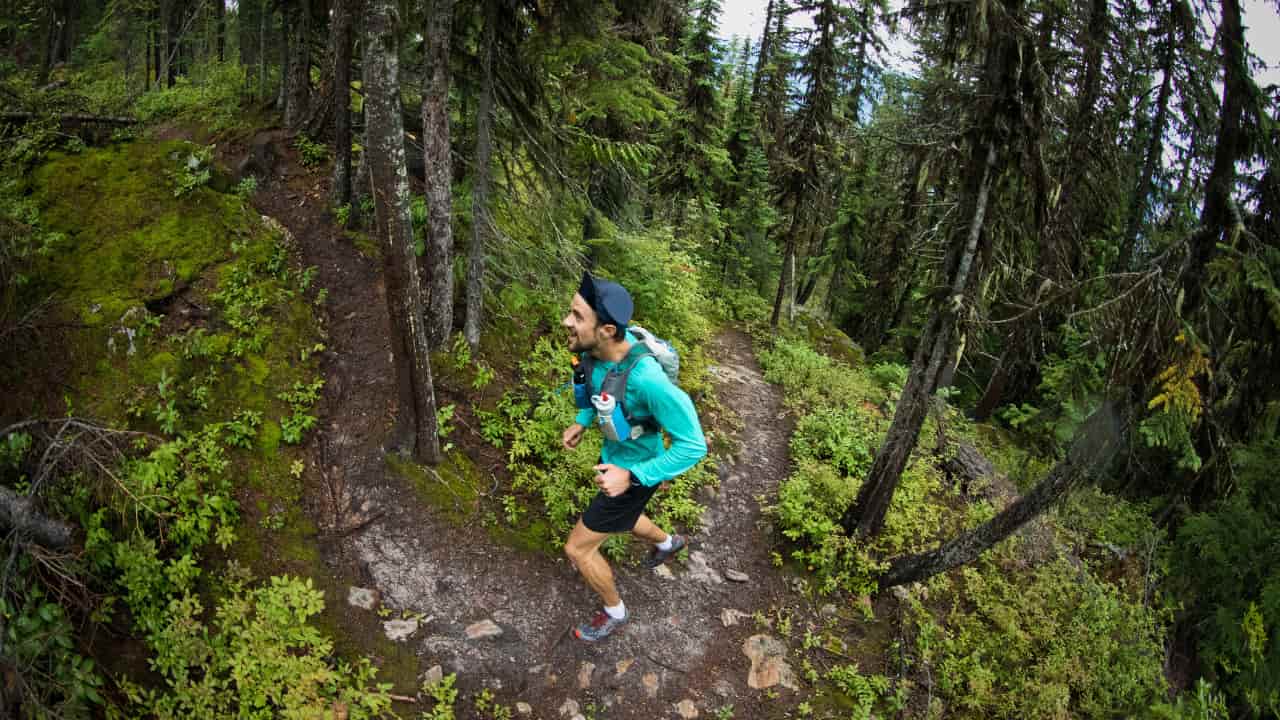
Trail running progression is built almost entirely on one principle: consistent time on feet over many months. Unlike sports where specific skill acquisition or weight progression provides clear markers of improvement, trail running rewards patience and the steady accumulation of miles across varied terrain. The athletes who improve most reliably are not those who train hardest in any given week but those who train consistently across an entire season without significant injury interruption.
The most important training metric to track is your weekly time on feet or mileage, built gradually over months using the ten percent rule as a rough guide for how much volume to add per week. A beginner might start with two to three hours of running per week across three or four sessions. An intermediate trail runner preparing for a half marathon distance might build to five to eight hours. Ultra runners in peak training can exceed fifteen to twenty hours per week, though this level of volume requires years of progressive buildup to reach safely.
Elevation gain becomes an increasingly important training variable as you progress toward hillier terrain and longer distances. Tracking cumulative elevation across your week, not just distance, gives you a more accurate picture of training load. Two runs of the same distance can have wildly different demands depending on how much climbing each involves.
Speed work in trail running looks different from road running intervals. Hill repeats, where you run hard uphill for thirty to ninety seconds and walk or jog back down, build power, speed, and cardiovascular capacity simultaneously and transfer directly to race performance. Fartlek-style efforts on varied terrain, alternating between hard pushes on flat sections and easy efforts on technical ground, develop the ability to change pace in response to terrain rather than to a watch.
Most trail runners find that entering two to four races per year provides enough structure and motivation to keep training purposeful without turning the sport into a source of pressure. Progress shows up as faster times on familiar routes, the ability to complete longer distances comfortably, improved confidence on technical terrain, and the capacity to recover quickly between hard efforts. These gains accumulate slowly but are deeply satisfying and tend to keep people in the sport for decades.