Start Hiking. Then Run a Section. How Most Ultrarunners Actually Got There
New to trails and wondering how ultra running and hiking compare? This beginner's guide breaks down the key differences in distance, gear, training, and mindset so you can find your fit.

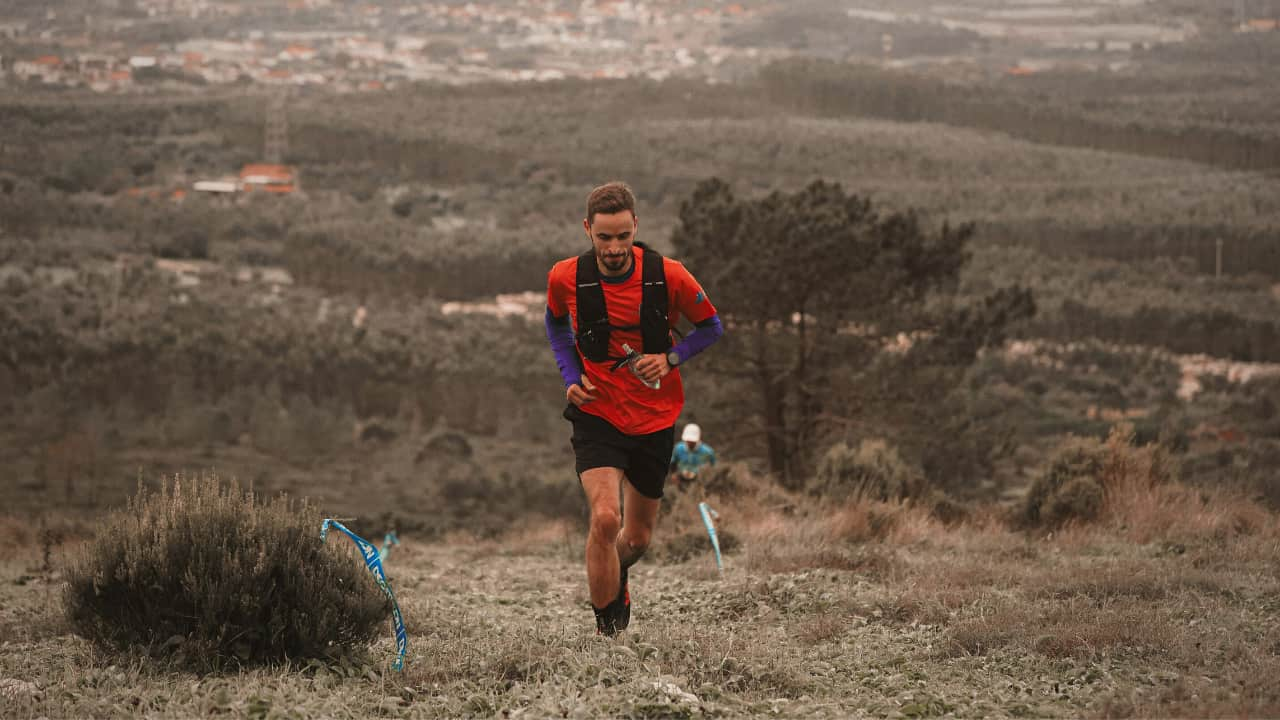
If you have ever stood at a trailhead and watched someone blast past you in a race vest while you adjusted your trekking poles, you have witnessed the core difference between ultra running and hiking in one snapshot. Both happen on trails. Both take you into the wilderness. But beyond that shared scenery, these two disciplines are built very differently.
This guide is for beginners who are curious about both and want to understand what separates them before committing to either.
What Is Ultra Running?
Ultra running is any foot race that exceeds the standard marathon distance of 26.2 miles. Most ultra races start at 50 kilometers (31 miles) and go up from there, with common distances including 50 miles, 100 kilometers, and 100 miles. Some events push into multi-day territory.
The vast majority of ultra races are held on trails, dirt roads, and mountain terrain, which is why beginners often confuse them with advanced hiking. Ultra runners are moving at a running or fast jogging pace for most of the course, though walking uphill sections is completely normal and even strategic.
What Is Hiking?

Hiking is traveling on foot through natural terrain, typically on established trails, at a walking pace. There is no race clock, no finish line cutoff, and no required pace. Hikes can range from a 1-mile nature walk to a multi-week thru-hike covering thousands of miles like the Appalachian Trail.
Hiking is broadly accessible and is one of the most popular outdoor activities in the country for good reason. The barrier to entry is low, the gear requirements are modest to start, and the pace is entirely your own.
How They Are Similar
It is worth acknowledging the genuine overlap before diving into the differences.
Both ultra running and hiking:
- Take place primarily on trails and natural terrain
- Require navigation skills and awareness of weather and environment
- Demand respect for elevation gain and technical footing
- Benefit from experience with fueling and hydration over long distances
- Build a connection to the outdoors that road-based activities simply cannot replicate
Many ultra runners started as hikers. Many serious hikers eventually get curious about racing. The two communities overlap more than they compete.
Key Differences Between Ultra Running and Hiking
Distance and Time on Feet
While both can involve long distances, ultra running compresses that distance into a race format with time pressure. A 50-mile ultra might take a competitive runner 8 to 10 hours. A recreational hiker covering the same 50 miles might spread it across 3 to 5 days of backpacking.
Hiking is about enjoying the journey at a natural pace. Ultra running is about covering ground efficiently, even when your body is protesting by mile 40.
Training Requirements
This is one of the biggest separating factors for beginners.
Hiking training is relatively straightforward. You build fitness by hiking more, adding mileage and elevation gradually. Cross training with walking, strength work, and some cardio rounds out a solid hiking fitness base.
Ultra running training is a structured, long-term commitment. Training plans typically run 16 to 24 weeks for a first ultra and involve weekly mileage targets, back-to-back long runs, speed work, and intentional recovery. Most coaches recommend new ultra runners have at least a year of consistent running before targeting their first race.
Gear Differences
Both disciplines share some overlap in gear, but the specifics matter a lot.
Hiking gear prioritizes comfort and carrying capacity. Think sturdy hiking boots, trekking poles, a loaded pack with shelter, food, and layers, and gear designed to handle days in the backcountry.
Ultra running gear prioritizes weight savings and efficiency. Runners use trail running shoes (lighter and lower profile than hiking boots), a race vest or soft flask system for hydration, minimal layers, and nutrition that is easy to eat on the move. Every ounce matters when you are covering 50 or 100 miles.
Nutrition and Fueling
A hiker might take a lunch break, enjoy a sandwich, and snack at their own pace. An ultra runner is fueling constantly and strategically, often eating every 30 to 45 minutes to maintain energy over hours of sustained effort. Aid station nutrition, gels, chews, and real food all become critical tools. Getting fueling wrong in an ultra can end your race. Getting it wrong on a hike usually just means you are hungry for a bit.
Mental Demands
Both require mental toughness, but ultra running takes it to a different level. Races are designed to push you past comfortable limits. Sleep deprivation, muscle fatigue, nausea, and doubt are common companions on a 100-mile course. Ultra runners develop specific mental strategies for managing low points during a race.
Hiking has its own mental challenges, particularly on long thru-hikes, but the absence of a race clock changes the psychological equation significantly.
Community and Culture
Hiking culture is broadly welcoming and low-stakes. Trail etiquette, Leave No Trace principles, and a friendly nod at the summit are the norms.
Ultra running culture is also famously welcoming, but it comes with a racing context. There are bibs, cutoff times, volunteers, and finish lines. First-timers are celebrated, but there is an inherent competitive structure that does not exist in recreational hiking.
Which One Is Right for You?
If you are drawn to moving at your own pace, connecting with nature, and building toward adventures like multi-day backpacking trips, hiking is a perfect starting point and a complete hobby on its own.
If you are someone who is motivated by goals, race bibs, and structured training, and you already have a running base or are willing to build one, ultra running offers one of the most rewarding challenges in endurance sports.
And if you are truly on the fence? Start hiking. Get comfortable on trails. Then lace up some trail shoes and run a section. Many ultra runners will tell you that is exactly how they got started.