How Flatlanders Train for Mountain Ultras Without a Mountain in Sight
Live somewhere flat but signed up for a mountain ultra? Here is a beginner friendly guide to building real vert, downhill durability, and climbing fitness without a single peak in sight.

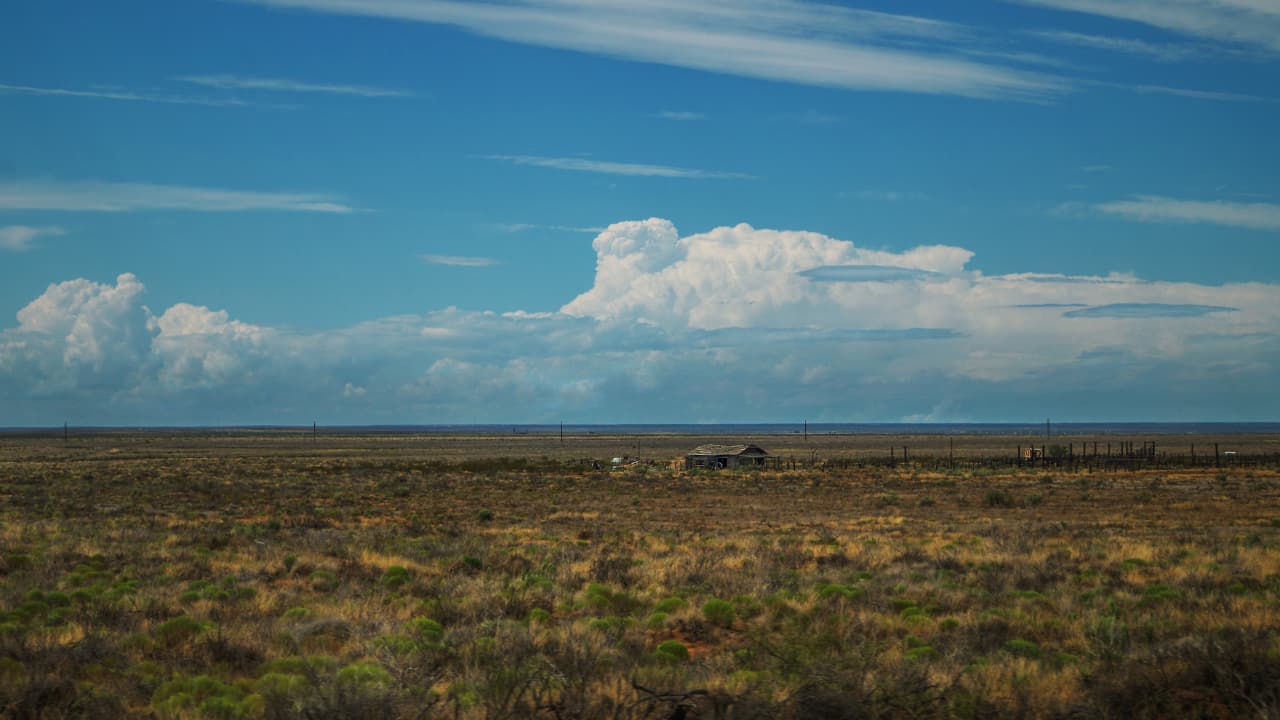
If you live somewhere like me, Texas, your tallest “climb” is probably a freeway overpass or the steps at the local high school football stadium. That is a real problem when you sign up for a race with 5,000, 10,000, or 20,000 feet of vertical gain.
Here is the good news. Plenty of strong mountain ultrarunners come from places with zero elevation. Scott Jurek famously trained in Minnesota before winning Western States seven times in a row. You do not need a mountain. You need a plan.
First, Understand What a Mountain Actually Demands
Before you can fake a mountain, you need to know what one does to your body. Climbing is mostly an aerobic problem. Your lungs and heart are doing the heavy lifting, pushing you uphill at a slow, sustained effort.
Descending is a muscular problem. Going downhill loads your quads eccentrically, meaning the muscle lengthens while under tension. That is what shreds your legs by mile 40 of a mountain race.
Most flatlanders panic about the uphills. The pros will tell you the downhills are what actually wreck unprepared runners. Train both, but respect the descent.
Your Flatland Vert Toolkit
You probably have more “mountain” around you than you think. Here is what to use.
1. The Stairmaster (Your New Best Friend)
This is the single most underrated tool for flatland trail runners. Unlike a treadmill, the Stairmaster forces a true stepping motion that mimics power hiking. Power hiking is the skill that separates strong mountain runners from people death marching at the back of the pack.
Two workouts to start with:
- Steady state: 30 to 45 minutes at a moderate, conversational effort. Use it on easy days.
- Power hike intervals: 3 minutes hard, 2 minutes easy, repeat for 30 to 40 minutes.
Want to level up? Throw on a weighted vest at 5 to 10 percent of your bodyweight for steady state sessions. It loads the legs in a way that translates beautifully to climbing.
2. The Incline Treadmill
Treadmills max out around a 15 percent incline at most gyms. That is still useful. Crank it up, walk briskly with poles or a pack, and you are simulating a long sustained climb.
If you can find a treadmill that declines (some commercial NordicTrack and Woodway models do), you have struck gold. Downhill treadmill work is one of the only ways to train eccentric quad loading on a machine.
3. Stadium Stairs and Parking Garages
This is where people like myself, in flatland like Katy, Texas, can win. Find your nearest high school football stadium, college bleachers, or empty parking garage. Stairs do something machines cannot. You actually have to go down them.
Controlled stair descents train balance, foot placement, and quad durability all at once. Most trail injuries happen on the descent, so this is non-negotiable practice.
A simple session: 10 to 20 repeats up and down a full set of stadium stairs. Walk the downs with control. Do not bomb them.
Strength Training Is Not Optional
If you live somewhere flat, the gym is your mountain. Strength training builds the muscular durability you cannot get from flat miles alone.
Focus on these movements two to three times per week:
- Reverse lunges: The single best exercise for downhill prep. Step back slowly, load the quad, control the descent.
- Bulgarian split squats: Single leg loading mirrors how you actually run.
- Step downs: Stand on a box, lower one foot slowly to the floor over 3 to 5 seconds. Pure eccentric quad work.
- Calf raises: Both straight leg and bent knee versions. Your calves take a beating on climbs.
- Deadlifts: For posterior chain power that you will need on every climb.
Train by Effort, Not Pace
Here is something flatlanders constantly get wrong. They show up to a mountain race and run by pace. Pace is meaningless in the mountains. A 12 minute mile uphill might be your absolute redline.
Learn to train by Rating of Perceived Exertion, or RPE. On a scale of 1 to 10, your long climbs should sit at a 4 to 5. Conversational. Sustainable. If you cannot speak in full sentences, you are climbing too hard.
RPE is one of the best transferable skills you can build at home. Effort translates anywhere. Pace does not.
The Weekend Camp Strategy
If you can swing it, schedule one or two mountain camps in the eight to twelve weeks before your race. For a Texan like myself, that might mean a trip to Eagle Rock Loop in Arkansas, the Ozarks, Big Bend, or even a flight to Colorado.
You do not need a full week. Two to three big back to back days on real terrain teaches your body what flat training cannot. Keep the volume similar to your normal long runs. Just add the vert.
Do not try to PR the descents. The downhills are where you risk hurting yourself. Hike them, jog them gently, learn the rhythm.
Do Not Forget Heat
One genuine advantage for myself of training in Texas. This allows me to be heat acclimated, don’t miss this. Many mountain ultras have brutal hot canyon sections, and runners from cool climates get cooked.
Lean into it. A summer of southern humidity is like functional sauna training that runners in Colorado pay good money to replicate.
A Sample Flatlander Week
Here is what a peak training week might look like for a flatlander prepping for a mountain 50K or 50 miler:
- Monday: Rest or easy 30 minute walk
- Tuesday: 45 minutes Stairmaster intervals plus 20 minutes strength
- Wednesday: Easy 6 mile run on flat trails
- Thursday: Stadium stair repeats, 45 minutes, add a weighted vest as you get better
- Friday: Rest or yoga
- Saturday: Long run, 2 to 3 hours, with 30 minutes on the treadmill at incline mixed in
- Sunday: 60 to 90 minute hike with a loaded pack or ruck, then a strength session
The Mindset Shift
Here is the thing nobody tells beginners. Flatland training is mentally harder than mountain training. Running an hour of bridge repeats is boring. Stadium stairs in August for myself in Houston are quite punishing and definitely unrelenting.
If you can grind through that, you have built something most mountain dwellers never had to develop. Mental durability. Showing up to your race already mentally tougher than the terrain is a massive advantage.
Train with the Mountain You Have
You cannot replicate a real mountain in Katy. You can come close enough to finish strong, stay healthy, and actually enjoy your race.
Stack your vert with stairs, machines, and bridges. Lift heavy in the gym. Train by effort. Get to real terrain once or twice if you can. Use the heat you have. And accept that the boring grind of flatland prep is part of the deal.
The mountains do not care where you came from. They only care if you showed up ready. You can absolutely show up ready from a place with no mountains in sight.