Trail Running Burns More Calories. Hiking Built Me a Stronger Body. Here's the Catch Nobody Mentions
Trail running burns more calories, but hiking builds the strength and aerobic base that make you a runner. Here is how to transition without getting injured.

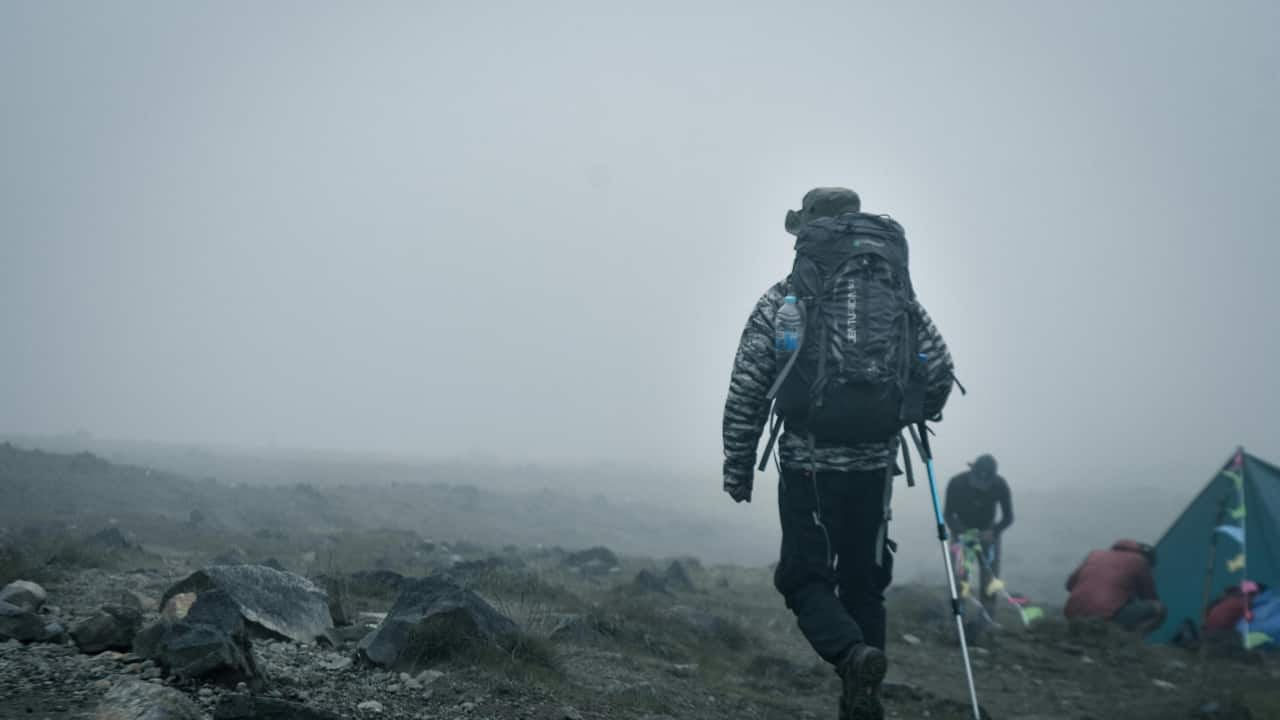
Search “trail running vs hiking” and you will hit the same headline within seconds. Trail running burns more calories. It is true. Depending on your weight and pace, an hour of trail running can burn somewhere around 600 to 900 calories, while an hour of hiking usually lands closer to 400 to 550. Case closed, right?
Not even close. The months I spent hiking before I ever jogged a step are the reason I could start running at all. That calorie number tells you almost nothing about which activity will actually make you fitter, stronger, or more capable on a trail. So here is the part nobody bothers to put in the headline.
Hiking quietly built the body running demands
Here is what those hiking miles were doing while I thought I was “just walking.” Every climb under a loaded pack was strength work for my legs and glutes. Every long day out was aerobic base, the slow engine work that lets you keep going for hours without falling apart. Every rocky, uneven stretch was teaching my ankles and feet to stabilize on ground that never repeats itself.
That last one matters more than people realize. Roads are predictable. Trails are not. The balance and coordination you build picking your way down a technical descent is the exact skill set trail running demands, just at a faster speed.
By the time I started running, I was not starting from zero. I had a foundation. I just could not see it yet.
The catch nobody mentions
So if hiking built all that, why not jump straight into trail running and enjoy the bigger calorie burn?
Because of the one system hiking does not prepare on the same timeline: your connective tissue.
Your heart and lungs adapt fast. Within a few weeks of running, your cardio will already feel noticeably better. Your tendons, ligaments, and bones adapt much more slowly, often taking months to catch up. Running loads them with repeated impact that hiking simply does not produce. Walking keeps at least one foot on the ground at all times. Running means landing your full bodyweight, plus momentum, on a single leg over and over again.
This is the trap. New runners feel great aerobically, so they do too much too soon, and then a knee or an Achilles or a shin starts complaining. The injury almost never comes from a lack of fitness. It comes from your tissues not having caught up to your lungs.
Hiking gave you a jump start on the engine. It did not hand you a free pass on the impact. Respect that gap and you stay healthy. Ignore it and you spend your first month injured instead of running.
So does hiking actually count as training?
Yes. Genuinely, and far more than most beginners give it credit for. You need to think of your fitness in two halves.
There is the aerobic engine, which is how long you can sustain effort, and there is the specific durability, which is how well your body tolerates one particular movement. Hiking builds the first half beautifully. A strong hiker already owns an aerobic base that a true couch-to-trail beginner has to spend weeks building from scratch.
What hiking does not fully cover is the second half: the running-specific impact tolerance and quicker leg turnover. So hiking is not a complete substitute for running, but it is a powerful complement. On days you do not run, a hike keeps your aerobic base ticking over while giving your joints a lower-impact break.
Plenty of experienced trail runners keep hiking in their week on purpose for exactly that reason. The two are not rivals. They are teammates.
What running gives back to your hiking

This works in both directions, which is the part that sold me. Once I started running, my hiking changed too. Climbs that used to wreck me felt easier. My recovery between big days got faster. The higher cardiovascular ceiling you build by running means your hiking effort now sits comfortably below your limit instead of pinned near it.
So you are not abandoning the thing you love to chase calories. You are making your hiking better at the same time. That is what complementary actually means. Each one makes you stronger at the other.
How to turn hiking fitness into trail running
Here is how to use what you already have without blowing up the connective tissue we just talked about.
- Start with run-walk, not running. Pick a flat or gently rolling trail and alternate, maybe one minute of easy jogging then two minutes of walking, repeated. You are not trying to be impressive. You are teaching your tissues to handle impact in small, repeatable doses.
- Keep early runs easy and short. If you can hold a conversation, you are at the right effort. Your hiking base will tempt your lungs to go faster than your legs are ready for, so let the legs set the pace.
- Add gently, not all at once. Increase your running time slowly from week to week rather than in big jumps. Patience here is what keeps you off the injured list.
- Choose forgiving terrain first. Save the steep, rocky, technical descents for later. Downhill running is the highest-impact thing you can do on a trail, so ease into it.
- Get shoes built for running, not hiking. Your hiking boots are made for stability under load, not for thousands of repeated foot strikes. A pair of trail running shoes will protect you and make the whole thing feel better.
And keep hiking. You do not have to trade one for the other. The strongest version of you uses both.
Let your legs catch up to your lungs
The headline is not wrong. Trail running does burn more calories. But that was never the real question.
If you have been hiking, you are not a beginner pretending to be fit. You have already built the engine and a lot of the strength that running rewards. Your only job now is to bring your impact tolerance up to meet your cardio, slowly and on purpose. Do that, and hiking does not just count as training. It becomes the head start most new runners would kill for.
Lace up, go easy, and let your trail legs catch up to your trail lungs.