3 Trail Running Benefits Road Runners Quietly Refuse to Admit
Drop a fast road runner onto a real climb and the truth comes out. Three weaknesses trail running fixes that your road PRs quietly let you ignore.

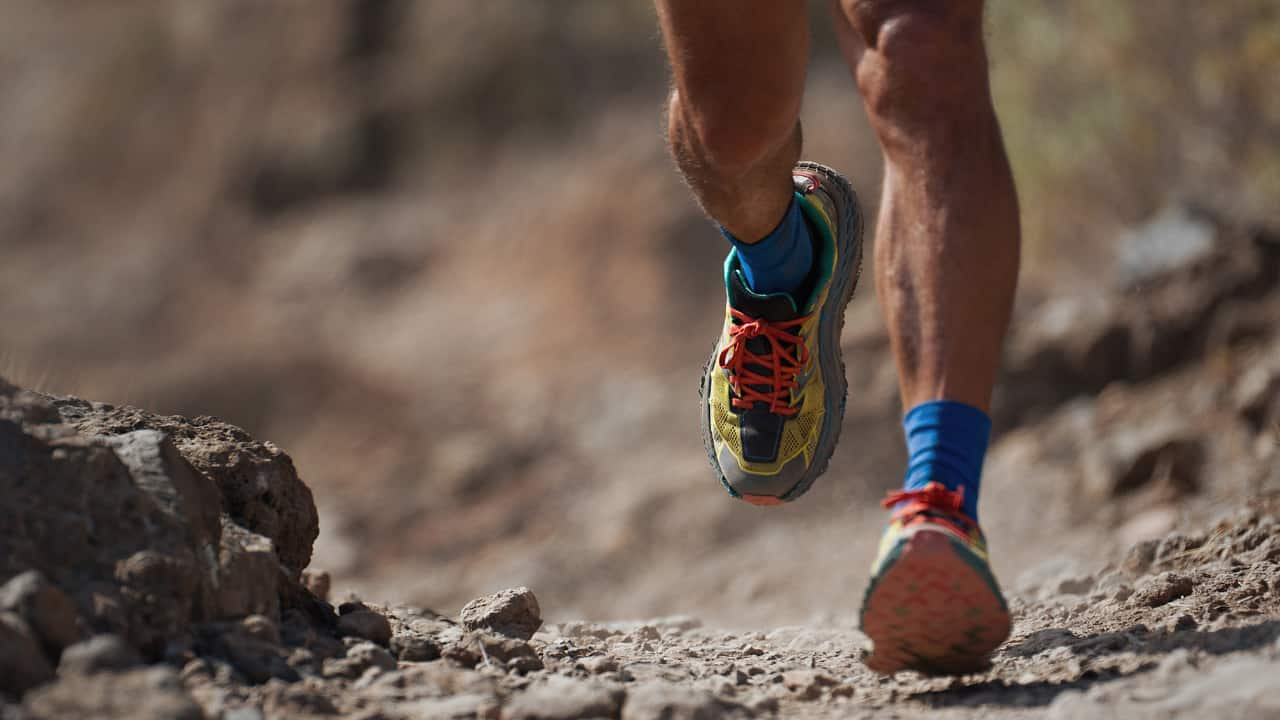
Picture a runner who just went sub-four in their first marathon. Splits dialed in, shoes barely scuffed, proud of every negative split. Now drop them onto a real trail, the kind with roots laced across the path and a climb that keeps going up for longer than feels fair.
A quarter mile in, they are walking. Heart slamming. A little embarrassed.
And somewhere ahead, a slower-looking runner who would never beat them on the road is power-hiking up the grade without breaking rhythm.
That gap is the whole story. The road handed out a number that felt like fitness. The trail is about to show what is actually underneath it.
This is not a knock on road running. Roads built your aerobic base and taught you how to grind. But pavement is generous in a very specific way: it is flat, predictable, and it lets you repeat one motion until a watch rewards you. The trail takes that comfort away, and in taking it away, it exposes the weaknesses your PRs let you ignore.
Here are three of them. Most road runners feel all three the first time out, then quietly decide trails are “not their thing” rather than admit the trail just found the holes.
1. The strength roads quietly let you skip

On a road, every step lands the same. Same surface, same angle, same flex through the ankle, a few thousand times in a row. It is efficient, and it is also why so many road runners carry the same nagging injury for months. One motion, repeated, loads the same tissue over and over.
A trail never lets you do that.
Your foot catches a root and rolls a few degrees, and a muscle deep in your ankle fires to save you before you even think. You step down off a rock and your hip locks in to keep you square. Every stride is a slightly different stride, and that constant variety wakes up the small stabilizers in your feet, ankles, and hips that flat ground never bothers to train.
This is real strength work hiding inside a run. The runner who feels wobbly and slow on their first trail is not unfit. They are just finding out which muscles their road stride has been outsourcing. Give it a few weeks and the ankles stop rolling, the wobble settles, and that new resilience follows you right back onto the road.
If you want the technical side of moving over rough ground, our guide on how to run downhill breaks down where most of that early flailing actually comes from.
2. The trail takes your pace away on purpose
Road runners live and die by the watch. Goal pace buzzes on your wrist and you feel like an athlete. Miss it and the whole run feels like a failure.
Now take that wrist to a climb.
The first uphill of any real trail erases your pace number completely. A pace that felt easy on flat ground becomes impossible, and the watch starts reporting splits that look like you are going backward. For a lot of road runners, this is genuinely upsetting the first time it happens.
Here is what is going on, and why it is the best thing for you.
On the road, pace let you fake fitness. A fast, flat number can come from smooth running economy on easy ground as much as from a strong engine. The trail strips the smooth ground away, so the only thing left to run on is the engine itself. You learn to run by effort, by breath, by how your legs actually feel, instead of chasing a number the terrain no longer respects.
That skill, running by feel, is the one most road runners never build. It is also the one that carries you through the back half of a marathon when the legs go and the watch stops being your friend. Trails teach it because they leave you no other option.
3. Climbs and descents build what flat miles cannot

Flat road running is, mechanically, kind of one note. You push off, you land, you repeat. Useful, but limited.
A hill asks for something else entirely.
Going up, you are not just running, you are lifting your whole body weight against gravity, step after step. That builds power and a bigger aerobic engine in a way no flat tempo run will, because you cannot coast through it. There is no downhill to recover on until you earn it.
Then comes the part road runners truly underestimate: the descent.
Running downhill loads your quads in a lengthening, braking motion (the science calls it eccentric loading), and your road-trained legs have almost no practice at it. That is why your first real descent leaves your quads screaming the next morning, even when your heart rate barely climbed. It is not weakness. It is a brand new demand on muscle that flat ground never placed.
The payoff is durability. Legs that learn to brake on descents hold up far better late in any long race, road or trail, when the pounding stacks up and form starts to fall apart. You are building a more complete set of legs, not just a faster flat one.
If you are stuck somewhere flat and worried you cannot train this, the workaround exists, and we cover it in training for vert when you live somewhere flat.
The trail is not softer, it is just honest
None of this makes road running lesser. It built the base you are standing on.
But the real reason a lot of road runners avoid trails is not the bugs or the mud or the slower pace. It is that the trail quietly tells the truth about your fitness, and that truth is humbling the first time you hear it.
Walk that first climb. Let the wobble happen. Let your quads complain the next day. Every one of those is a hole being filled, a weakness the road let you carry because pavement was too polite to mention it.
You do not have to give up your road PRs to do this. You just have to be willing to be a beginner again for a few weeks, on purpose. Trail running is one of the best front doors in the sport, and you can start exploring it through our trail running hub and the wider endurance running world it sits inside.
Whatever your next mile looks like, earn it.