Out of Breath Running or Climbing Stairs? Your VO2 Max Is Trying to Tell You SomethingBuild the engine, lift the ceiling.
How-To & Guides

Multi-sport racing combines swimming, cycling, and running into one continuous event that tests your endurance, pacing, and mental grit. Whether you are chasing a sprint triathlon finish line or dreaming of crossing an Ironman finish, this discipline rewards consistency, patience, and a genuine love of pushing your limits across three very different sports.
Benefits:
Expected Startup Costs:
Multi-sport racing is exactly what it sounds like: racing that spans more than one athletic discipline in a single event, back to back, with no rest in between. The most common format is the triathlon, which combines an open water swim, a bike ride, and a run, completed in that order. Other formats exist, including duathlons (run, bike, run), aquabikes (swim and bike only), and off-road triathlons that swap paved roads for dirt trails and gravel.
The distances vary widely. On the shorter end, a sprint triathlon typically includes a swim of around 750 meters, a bike ride of 20 kilometers, and a 5 kilometer run. On the longer end, a full-distance triathlon (commonly called an Ironman, which is a registered brand name for the most well-known race series in the sport) involves a 3.8 kilometer swim, a 180 kilometer bike ride, and a full 42.2 kilometer marathon run. Between those extremes sit the Olympic distance, the half distance (often called a 70.3 because of the total mileage in miles), and various other intermediate formats.
What makes this sport different from simply running or cycling is that you must train your body to perform across multiple disciplines and to switch between them efficiently. The transition zones, where you move from swimming to cycling and from cycling to running, are considered the fourth discipline. A smooth, practiced transition can save you minutes on race day and reflects genuine skill development.
Multi-sport racing has a strong community culture. Events range from small, local, low-pressure races to massive international productions. Many athletes start with a sprint and spend years working their way up through distances. Others fall in love with the Olympic distance and stay there forever. There is no single right path. The sport meets you where you are.
The single most important first step is learning to swim comfortably in open water, or at least becoming comfortable swimming laps. Many beginners underestimate the swim because the distances look short on paper, but open water swimming feels very different from pool swimming. If you are not a confident swimmer, joining a masters swim program or working with a swim coach for even a few months will dramatically improve your confidence and your race experience.
Once your swimming is functional, the next step is choosing a goal race. Pick a sprint triathlon six to nine months out. Having a specific event on the calendar transforms vague intentions into a training schedule. Most athletes find that committing to a race is the best motivator they can give themselves.
From there, build a simple weekly routine that includes at least one swim session, one or two bike sessions, and one or two run sessions per week. You do not need to do all five disciplines every week at first. Consistency over months matters far more than intensity in any single week. As your fitness grows, your volume will naturally increase.
Joining a local triathlon club is one of the highest-value moves you can make early on. Clubs offer group swims, group rides, coaching advice, and a community of people who have already solved most of the problems you are about to encounter. The collective knowledge in a good club is enormous and it is almost always shared freely and enthusiastically.
Finally, get comfortable with the concept of transitions before race day. Practice changing from swim gear to bike gear and from bike gear to run gear. Even doing this in your driveway a few times will prevent the panicked fumbling that catches so many first-timers off guard.
How-To & Guides
Nutrition & Fueling


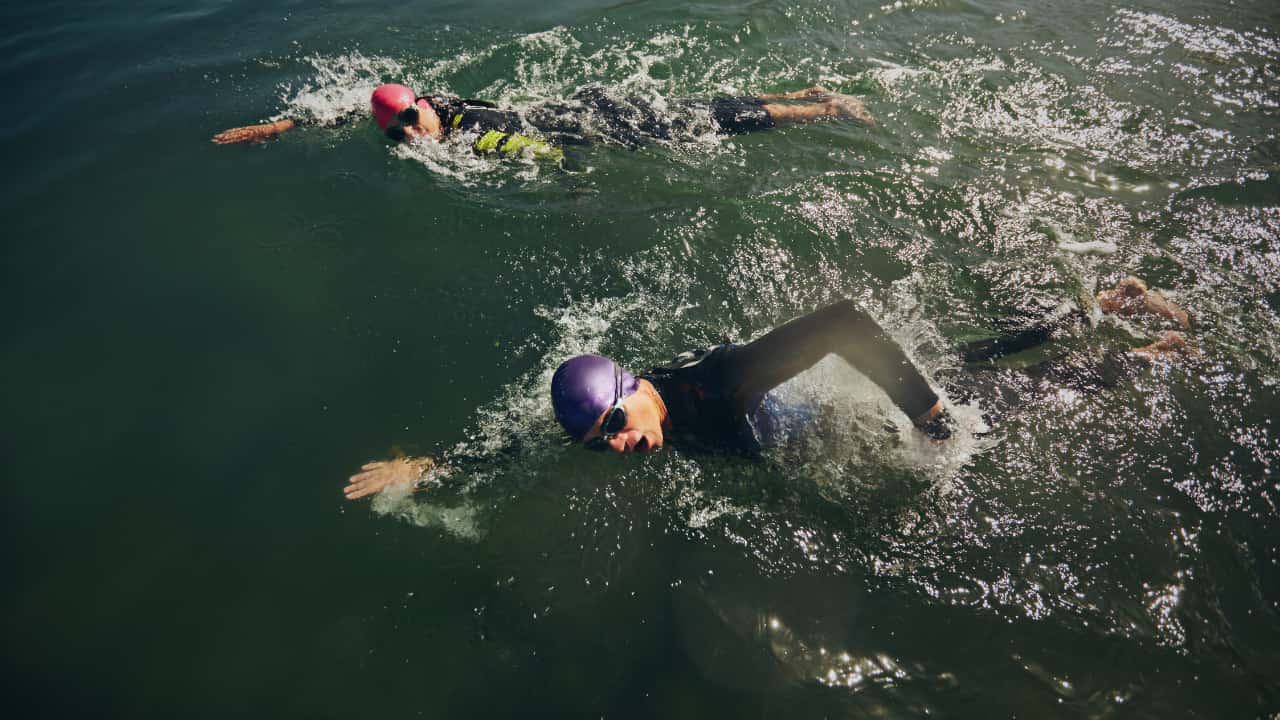
The first 90 days of multi-sport training is primarily about building aerobic base fitness across all three disciplines and getting your body accustomed to the unique physical demand of moving between them.
In the first few weeks, everything will feel harder than you expect. Swimming will feel more exhausting than the distances suggest. Your legs will feel heavy when you get off the bike and try to run. This is normal. The body needs time to adapt to the metabolic and muscular demands of multi-sport effort. Be patient with this process.
Around weeks four through six, most beginners start to notice genuine adaptation. The swim feels less panicked. Running off the bike becomes less shocking. Your aerobic engine is growing. This is also usually when people start to discover which discipline they are naturally stronger in and which one needs the most work.
By weeks eight through twelve, if you have been consistent, you will likely complete your first brick workout, which is a bike ride followed immediately by a run, replicating the race-day sequence. The first time most people try a brick, the run feels like shuffling through wet concrete. By the end of 90 days, it starts to feel manageable. That progress is deeply satisfying.
You should also expect some gear learning curve during this period. You will figure out what you actually need versus what seemed appealing in the store. You will learn how to fuel during training, which is a skill in itself. You will develop preferences about clothing, shoes, and bike setup that no guide could predict for you.
Be prepared for the occasional bad training day or missed session. Life happens. Missing one workout does not derail anything. The athletes who succeed in this sport are the ones who keep showing up over months and years, not the ones who never miss a day.
Race Guides

Multi-sport racing has a reputation for being expensive, and at the elite end, that reputation is earned. But at the beginner level, you can race your first sprint triathlon for a very reasonable investment if you are strategic about it.
Here is a realistic breakdown of what you actually need to get started:
Swim gear runs low. A good pair of goggles costs between fifteen and forty dollars. A comfortable swimsuit or tri suit runs thirty to eighty dollars. If you are racing in cooler water (below about 78 degrees Fahrenheit), a wetsuit becomes worthwhile and possibly required by race rules. Entry-level wetsuits designed for triathletes run between one hundred fifty and three hundred fifty dollars, and many tri clubs or local shops offer rentals if you want to test the experience before buying.
The bike is the largest variable in your startup cost. Here is the key truth: you do not need a triathlon-specific bike to race your first event. Many beginners race successfully on a road bike, a hybrid bike, or even a mountain bike. A used road bike in good mechanical condition, purchased from a local shop or through a reputable online source, can cost anywhere from two hundred fifty to eight hundred dollars and will serve you well through multiple seasons of sprint and Olympic distance racing. Aero bars, which allow a more aerodynamic position on the bike, can be added later. Clip-in cycling shoes and pedals add another seventy to one hundred fifty dollars and are optional but recommended once you are committed to the sport.
Running shoes are essential and should be fitted properly. Budget sixty to one hundred fifty dollars for a quality pair from a running specialty store where staff can assess your gait.
A helmet is not optional. You cannot race without one. A safe, certified road cycling helmet starts at forty dollars and goes up from there. You do not need an aero helmet to start.
Race entry fees for sprint triathlons typically run between seventy and one hundred fifty dollars depending on the event size and production level. Half distance and full distance events cost considerably more, often two hundred fifty to seven hundred dollars or beyond for the largest branded events.
Realistic total startup budget for a first sprint triathlon, assuming you buy a used bike and modest gear: somewhere between four hundred and nine hundred dollars. If you already own a bike, the number drops significantly.
Multi-sport training follows a structured, periodized approach much like other endurance sports, but with the added complexity of managing three disciplines simultaneously.
For beginners, the first training goal is simply building comfortable aerobic fitness across all three sports without getting injured. This means keeping most of your training at a conversational pace, what coaches often call zone two effort, where you can speak in full sentences without gasping. The temptation to go hard every session is the most common mistake beginners make, and it leads directly to burnout and overuse injuries.
A sensible beginner week might look like two swim sessions (each twenty to thirty minutes), two bike sessions (each forty five to sixty minutes), and two run sessions (each twenty to thirty minutes), with one full rest day. Total weekly training time in this early phase might be five to seven hours. As your fitness develops over several months, sessions grow longer and more specific.
Brick workouts, as mentioned earlier, are a cornerstone of triathlon training. They teach your legs to adapt to the sensation of running after cycling and build the specific fitness required for race day. Most training plans introduce bricks at the six to eight week mark and increase their frequency as the goal race approaches.
Race-specific simulation becomes important in the final four to six weeks before your goal event. This includes practicing open water swims if your race is in open water, rehearsing your transition setup, and doing at least one or two workouts that replicate the full race sequence at or near race pace.
Progression in this sport tends to follow a natural arc. Most athletes race a sprint in their first season, improve their time and experience in a second sprint or move to Olympic distance in their second season, and then decide from there whether long course racing appeals to them. Each step up in distance is a substantial commitment that deserves its own dedicated training cycle.
Heart rate monitoring and power meters for cycling are tools that experienced multi-sport athletes rely on heavily to manage training load and pacing. As a beginner, you do not need either right away. Learning to train and race by perceived effort first builds an intuitive understanding of your own body that technology alone cannot teach.
Recovery is a genuine training discipline in this sport. Sleep, nutrition, and easy days are not optional extras. They are the mechanism through which fitness actually improves. Beginners who respect recovery progress faster than those who treat rest days as wasted time.
The ceiling in multi-sport racing is essentially unlimited. Athletes compete well into their fifties, sixties, and beyond. Age group competition is robust and genuinely competitive. Whether your goal is simply to finish your first sprint or to qualify for a world championship in your age group, the pathway exists and the sport will reward the work you put in.