5 Reasons Your Knees Prefer Dirt to Pavement (Backed by Stubborn Experience)
Wondering why trail runners swap pavement for dirt? Here are 5 beginner-friendly reasons your knees prefer soft trails, plus how to start safely.

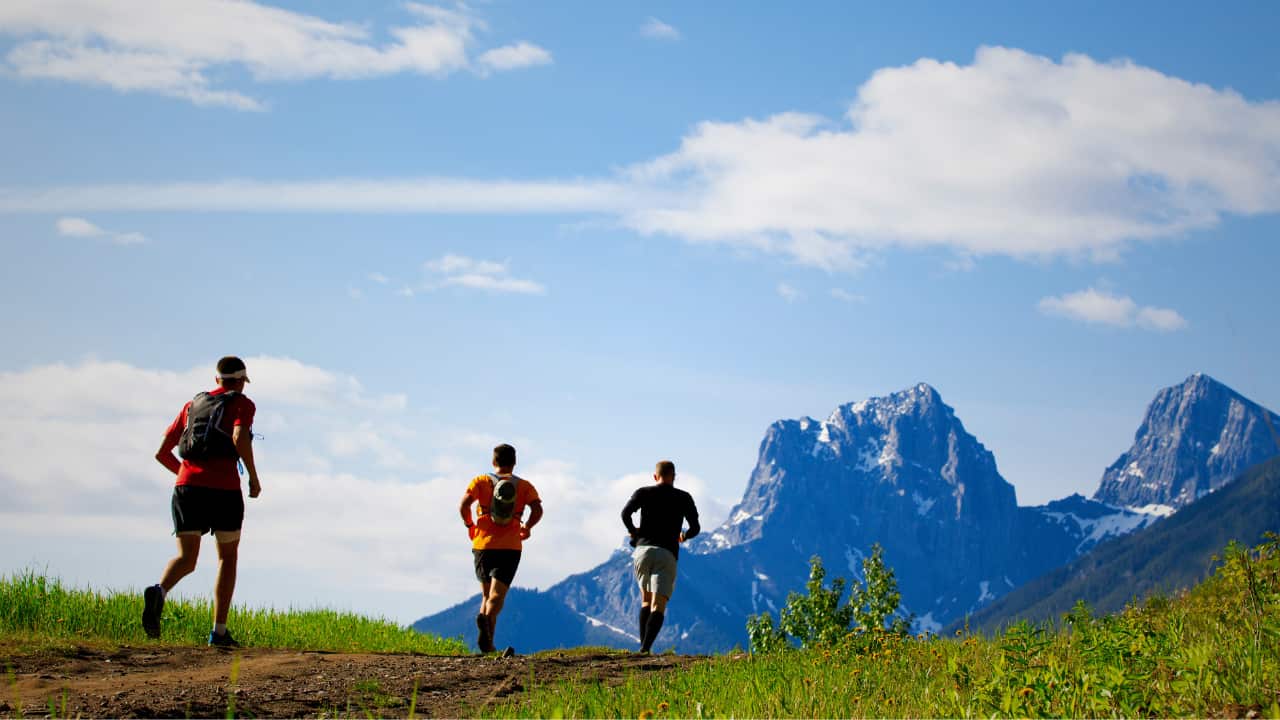
If you have ever watched a trail runner happily splash through mud, hop over a root, and grind up a rocky hill, you have probably wondered one thing: why would anyone choose that over a nice flat road?
The short answer lives in your knees.
Pavement is convenient, predictable, and everywhere. It is also one of the hardest surfaces your body can repeatedly slam into. Trails are messier and slower, but for a lot of runners they feel like a long-term gift to their joints. Here are five reasons your knees might quietly be begging you to hit the dirt.
1. Dirt Absorbs the Shock Your Knees Would Otherwise Eat
Every time your foot lands, a force travels up through your ankle, shin, and knee. On concrete, almost none of that energy gets absorbed by the ground, so your body has to handle the whole bill. Concrete is about the least forgiving surface you can run on, with asphalt only slightly softer.
Dirt, grass, and packed trail behave completely differently. Soft ground flexes and gives a little under each step, soaking up part of the impact before it ever reaches your joints. Over thousands of steps in a single run, that small difference adds up in a big way.
Think of it as the difference between jumping onto a wood floor versus jumping onto a thick rug. Same you, very different landing.
2. No Two Steps Are Ever the Same
This is the reason most beginners never think about, and it might be the most important one.
On a road, you repeat almost the exact same stride over and over. Same angle, same landing, same muscles, thousands of times in a row. That kind of repetition is exactly what leads to overuse injuries like runner’s knee and IT band pain.
Trails refuse to let you do that. A root here, a rock there, a little dip, a short climb. Your stride is constantly changing, which spreads the load across different muscles and slightly different motions. Instead of hammering one spot over and over, you are sharing the work around. Variety, it turns out, is great injury insurance.
3. Trails Force You to Slow Down (In the Best Way)

You cannot bomb down a technical trail the way you can cruise a flat sidewalk, and that is a feature, not a bug.
Uneven ground naturally shortens your stride and keeps your feet landing underneath you instead of way out in front. That is closer to the form most coaches spend years trying to teach. Slower speeds and shorter strides mean lighter, softer landings, which is yet another break for your knees.
You will likely run by feel and effort rather than chasing a number on your watch. For beginners, that mindset shift alone can make running feel sustainable instead of punishing.
4. You Build a Stronger, More Bulletproof Body
Roads are flat and predictable, so they ask very little of your stabilizing muscles. Trails ask for everything.
Every uneven step fires up the small muscles in your feet, ankles, hips, and core that keep you balanced and upright. Over time this builds real strength and better balance, often called proprioception, which is simply your body’s awareness of where it is in space.
Stronger ankles and hips mean better support for your knees. A knee surrounded by strong, responsive muscles is far less likely to get cranky. You are basically sneaking in low-key strength training every time you head out the door.
5. Your Brain Gets a Break, So You Actually Keep Going
Here is the secret almost nobody mentions: the best injury prevention is the running you actually enjoy enough to keep doing.
Trails give you trees, dirt, quiet, and changing scenery instead of traffic, stoplights, and the same gray strip of concrete. Many runners find that time on trails feels easier mentally, even when it is harder physically. Less stress, more enjoyment, and you stop staring at your pace every thirty seconds.
That enjoyment leads to consistency, and consistency, built up slowly and steadily, is what truly protects your joints over the long haul. Happy runners run longer, both today and for years to come.
Before You Ditch the Pavement Completely
Trails are kinder to your joints, but they come with their own homework.
Roots and rocks mean a real risk of rolled ankles and trips, especially when you are tired or new to uneven ground. Start on smooth, mellow trails before anything technical. Walk the tricky sections without shame, keep your eyes scanning a few feet ahead, and let your ankle strength build gradually.
Mixing surfaces is often the smartest move of all. A little road, a lot of trail, and your knees get the best of both worlds.
Give Your Knees the Dirt They Want
Pavement and road running will always be there when you need it, and there is nothing wrong with logging miles on the road. But if your knees have been grumbling, the dirt, and trail running, might be exactly the change they have been asking for.
Find a local trail, start slow, and let the ground do some of the work for you. Your knees will thank you, probably for years.