Half Your Sweat Is Wasted, and Your Shirt Decides Which HalfSweat only cools you when evaporating
Gear Guides
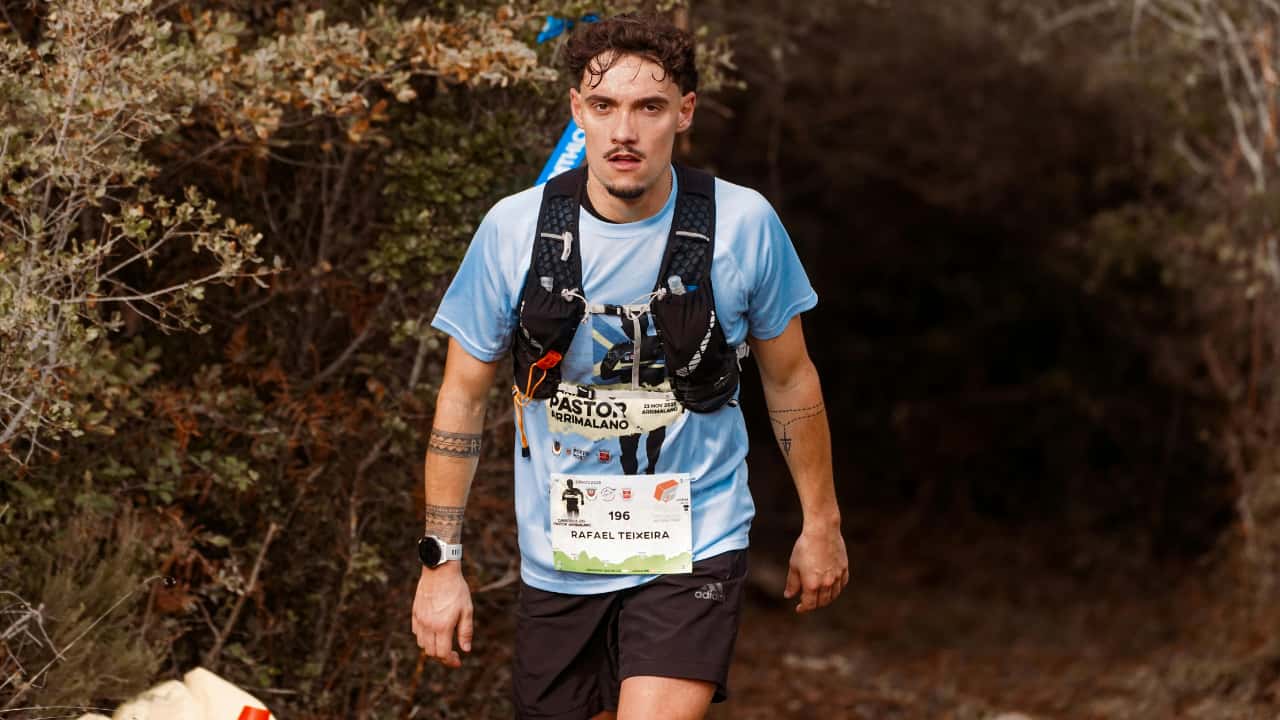
Road running is the practice of running on paved surfaces including city streets, paths, and road race courses. It is the most widely practiced form of running in the world, the backbone of the global racing calendar, and the discipline through which the vast majority of people first discover what it means to be a runner. It requires almost nothing to begin, rewards consistent effort with measurable and meaningful improvement, and delivers physical and mental benefits that research has linked to longer, healthier, and happier lives.
Benefits: Sharpens mind, burns stress, builds lasting fitness
Expected Startup Costs: $200 to $1,000 per year (shoes + kit + race entries + optional gear)
Road running is running done on paved or compacted surfaces in urban, suburban, and semi-rural environments. It encompasses everything from a twenty-minute neighborhood jog before work to structured training runs on measured routes to formal road races at distances from the 5K all the way through the marathon and beyond. It is the foundational running discipline from which trail running, track running, and ultra-distance running all diverge, and returning to it as a core practice is something most runners do regardless of which other formats they explore.
The defining characteristic of road running compared to other running formats is the predictability and accessibility of the surface. Paved roads and paths are available in almost every populated area on earth, require no travel to reach, are runnable in most weather conditions, and provide a consistent surface that makes pace and performance directly comparable from one session to the next. This consistency is both a practical advantage and a training asset, as the ability to measure effort objectively across repeated runs on the same route is one of the most useful feedback mechanisms available to a developing runner.
Road running has one of the richest and most globally connected racing cultures of any endurance sport. Road races at every distance from the 5K to the marathon take place in cities of every size on every weekend of the year across most of the world. The mass participation road race, where thousands of runners of every ability share the same closed course and finish line, is a social and sporting institution that has defined running culture for decades and continues to draw millions of new participants annually.
Running on roads also carries a specific set of physical considerations that distinguish it from softer surface running. The impact forces of landing on hard pavement are higher than on trail or grass, which makes footwear selection, running form, and training load management more consequential for injury prevention. These considerations are well understood and manageable with appropriate preparation, and the vast majority of road runners train and race without significant injury when they approach volume and intensity progression sensibly.
The starting point for road running is as uncomplicated as any discipline in this series. Put on a pair of supportive shoes, go outside, and run at a pace you can sustain while still breathing comfortably. If that means alternating running and walking for the first several weeks, that is not a compromise or a failure. It is the correct approach to building a running base from a low fitness starting point, and it is exactly what structured beginner programs like Couch to 5K formalize into a proven progression.
If you are new to running, commit to three sessions per week rather than running daily in the first month. Recovery between runs is where physical adaptation happens, and running every day before your body has developed the connective tissue resilience and cardiovascular base to support that frequency is the most reliable path to shin splints, knee pain, and the kind of early injury that ends running habits before they have a chance to form. Three sessions per week done consistently for three months produces more durable improvement than seven sessions per week for three weeks followed by enforced rest.
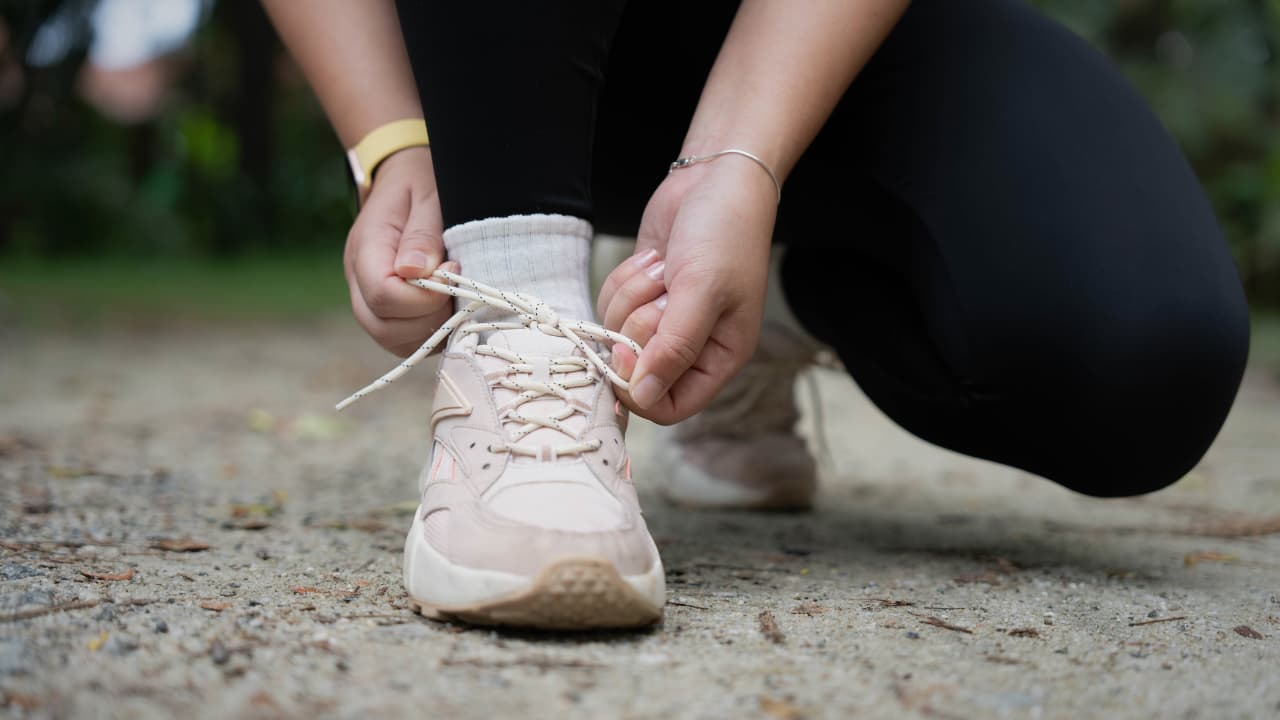
Visit a specialist running store for your first pair of running shoes rather than buying based on appearance, brand, or price. A brief gait assessment and fitting by knowledgeable staff takes fifteen minutes and produces a shoe recommendation suited to your foot mechanics, which reduces injury risk and significantly improves running comfort compared to choosing based on other criteria. Running in the wrong shoe does not always cause immediate problems but creates the conditions for overuse injuries that emerge over weeks and months of accumulated mileage in footwear that does not suit your movement pattern.
Join a local running group or parkrun as early in your running journey as possible. Running with others is faster, more enjoyable, more motivating, and more educational than running alone. Running groups expose you to more experienced runners whose habits, knowledge, and pace judgment accelerate your own development. Parkrun in particular provides a free, welcoming, and structured weekly 5K that functions simultaneously as a training run, a social event, a fitness benchmark, and an entry point into the broader running community that is available in hundreds of locations worldwide.
Gear Guides
How-To & Guides

Gear Guides

Gear Guides

Month 1: The first month is defined by adaptation and habit formation. Your cardiovascular system will begin responding to the new demand of running within the first two weeks, with noticeable improvements in breathing comfort and sustainable pace arriving faster than most beginners expect. Your musculoskeletal system adapts more slowly, and the shin soreness, calf tightness, and general leg fatigue of the first weeks reflect the connective tissue and muscle adaptations that are still in progress rather than anything being damaged or wrong.
Run at a pace where you can speak in full sentences throughout the effort. This is not a conservative suggestion for beginners but the physiologically correct intensity for building aerobic base efficiently and safely. Running too hard too early is the single most common mistake in new runners and the primary driver of both early injury and the discouraging experience of finding running unpleasant in ways that better-paced running would not produce. Easy running should feel almost embarrassingly slow compared to what you imagine running should look like. It is still the right thing to do.
Month 2: The habit is establishing itself and running is beginning to feel like a normal part of your week rather than an exceptional effort. Paces that required real concentration in week two are now sustainable without great difficulty, and you are developing a visceral sense of different effort levels that is one of the most valuable skills a runner can possess. Begin extending one run per week slightly beyond your standard duration, creating an embryonic version of the long run structure that will become central to your training as your goals develop.
Consider entering a local 5K or attending a parkrun event this month if you have not already. Running in a race environment, even informally and without a time goal, produces a specific kind of motivation and enjoyment that solo training does not replicate. The shared effort, the community energy, and the simple act of running a measured course from a start line to a finish line delivers a sense of completion and achievement that training runs, however good, cannot fully substitute for.
Month 3: Three months of consistent road running has produced genuine and measurable fitness change. You are running further, faster, and more comfortably than in week one, and the habit is sufficiently established that missing a run feels like something is missing from your day rather than a relief. This is the natural point to set a specific performance goal that gives your running a forward direction, whether a 5K time target, a first 10K race, or a half marathon entry several months away.
Begin thinking about the structure of a typical training week rather than running randomly whenever time allows. A week that includes one slightly longer run, one run with some faster effort built in, and one or two easy recovery runs produces more balanced development than running the same moderate effort every day. Even simple structure applied consistently across weeks and months produces fitness gains that unstructured running of the same total volume does not reliably deliver.
How-To & Guides
How-To & Guides

Nutrition & Fueling


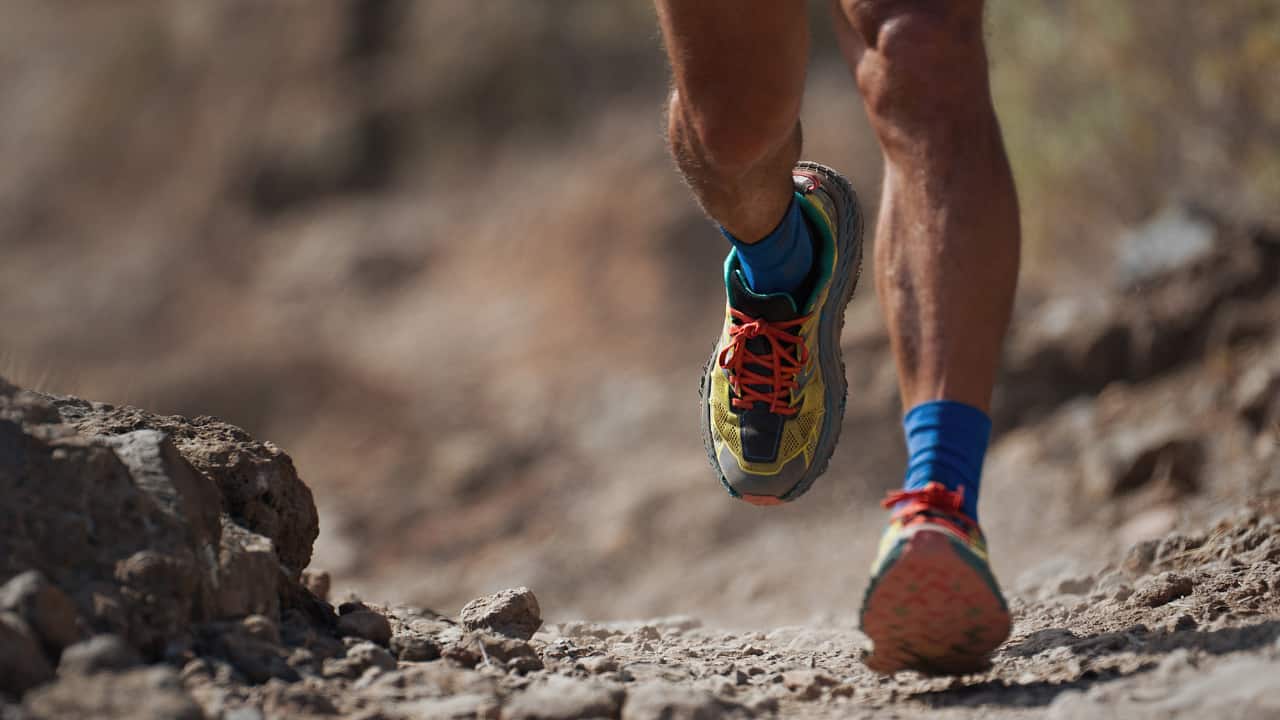
Running shoes ($110 to $200): The only genuinely essential purchase in road running and the one most worth investing in properly. A shoe from a specialist running retailer fitted to your gait, foot shape, and intended training surface is the foundation of comfortable and injury-resistant road running. Road running shoes differ from trail shoes in their smoother outsole optimized for pavement grip, their cushioning tuned for hard surface impact, and their typically lighter construction suited to the speed and efficiency that road surfaces allow. Replace shoes every six hundred to eight hundred kilometers, as the cushioning that absorbs impact force degrades well before visible wear appears on the outsole.
Running kit ($30 to $120): Moisture-wicking shorts or tights and a technical running top that manages sweat and dries quickly are the clothing essentials. Avoid cotton entirely, as it absorbs and holds moisture in ways that create chafing and discomfort over runs of any meaningful length. A lightweight running jacket or gilet extends your comfortable running temperature range into cooler and windier conditions and packs into a pocket for races where the weather may be unpredictable. Reflective elements on clothing and a lightweight clip-on running light are practical safety additions for running in low light conditions that are worth owning from early in your running journey.
GPS running watch ($150 to $500): A GPS watch that records distance, pace, and heart rate in real time is the tool that transforms road running from casual exercise into a structured and data-informed practice. Seeing your current pace per kilometer allows you to run easy runs at a genuinely easy effort rather than drifting into moderate effort unintentionally, to execute workout pace targets accurately, and to pace races with the precision that produces your best performances. Entry-level GPS watches from Garmin and Coros provide the core functionality that most runners need at accessible price points. More advanced models add training load monitoring, race prediction, sleep tracking, and performance analytics that reward deeper engagement with training data.
Race entry fees ($0 to $150 per race): Parkrun is free and available every Saturday morning in hundreds of locations worldwide, making it the most accessible road running event format on earth. Local 5K and 10K road races typically cost $20 to $60. Half marathons range from $50 to $150. Full marathons at local and regional level cost $80 to $180, with major city marathons and World Marathon Majors events commanding $150 to $300 or more. The total annual cost of racing depends entirely on how frequently you race and at what distances, and it is entirely possible to have a rich and rewarding road running year with nothing more than a parkrun habit and one or two paid race entries.
Running socks ($10 to $25 per pair): Technical running socks in synthetic or merino wool prevent the blisters and hot spots that cotton socks produce over longer runs and are a modest investment that delivers noticeable comfort benefits from the first run. Brands like Balega, Darn Tough, and Feetures are consistently recommended by experienced runners for their durability, moisture management, and blister prevention construction. Owning three to four pairs in rotation allows a fresh pair for every run without daily laundry requirements.
Foam roller and recovery tools ($30 to $80): A foam roller used for ten to fifteen minutes after hard sessions and long runs manages the soft tissue tightness that accumulates in the quads, hamstrings, calves, and IT band of regular runners and reduces the injury risk associated with that tightness over a training cycle of weeks and months. A massage ball for targeted work on the glutes and the plantar fascia of the foot addresses areas that the foam roller cannot reach effectively. These tools are inexpensive relative to the training investment they protect and become more valuable rather than less as running volume and intensity increase.

How-To & Guides
Mindset & Motivation

Road running training is built on the same foundational principles that govern endurance sport development across all disciplines in this series: the majority of running volume should be done at easy, genuinely aerobic intensity, with a smaller proportion of harder structured work layered on top of that aerobic base. The research on this principle in running specifically is among the most robust in exercise science, consistently showing that runners who follow an eighty to twenty split between easy and hard running improve faster, sustain that improvement longer, and experience fewer injuries than those who train at a uniformly moderate intensity across all their sessions.
The weekly long run is the single most important session in road running training at every level beyond the absolute beginner. It builds aerobic base, fat oxidation capacity, musculoskeletal resilience, and the mental endurance of sustained effort in ways that no other session format replicates. The long run should be done at a genuinely easy, conversational pace regardless of your overall fitness level, and it should be extended gradually over weeks and months rather than pushed aggressively in any single training block. Most road runners see their most significant fitness gains in the period when their long run is growing consistently, and this correlation reflects the primacy of aerobic base development in endurance running performance.
Structured speed work, introduced after an aerobic base has been established, develops the specific physiological qualities that allow you to run faster and sustain harder efforts for longer. Interval sessions of repeated shorter efforts at a pace faster than race pace develop VO2 max, the maximum rate at which your body can consume oxygen during exercise, which sets the ceiling on your aerobic performance potential. Tempo runs at a comfortably hard sustained effort develop lactate threshold, the intensity at which fatigue accumulates faster than the body can clear it, which determines the pace you can sustain in races from the 5K through the marathon. Both types of work earn their place in a road running training plan but are most productive when built on a foundation of consistent easy mileage rather than substituted for it.
Running form is a dimension of road running development that receives less attention than it deserves from most recreational runners. Efficient running mechanics, a slight forward lean from the ankles rather than the waist, a midfoot or forefoot landing beneath the center of mass rather than a pronounced heel strike, relaxed shoulders and arms, and a cadence of approximately one hundred and seventy to one hundred and eighty steps per minute, reduce the energy cost of running at a given pace and lower the impact forces that accumulate with every footfall on hard pavement. Form improvements develop gradually through deliberate practice and occasional video analysis of your own running, and the long-term benefits in both performance and injury prevention are significant enough to justify the attention.
Progression in road running is among the most clearly measurable and most consistently rewarding of any discipline in this series. Personal bests at every distance from the 5K through the marathon provide objective markers of fitness development that accumulate across years of consistent training. Moving from first-time runner to sub-thirty minute 5K to sub-sixty minute 10K to sub-two hour half marathon represents a natural performance ladder that motivates training and celebrates improvement in equal measure. The improvement curve is steepest in the first two years, when almost every month of consistent training produces a new personal best at one distance or another, and it continues at a more measured but equally satisfying pace for as long as the sport is pursued with consistency and care. Road running rewards the patient, the consistent, and the curious, and it has a well-earned reputation as one of the most enduring and transformative fitness practices that a person can build into their life.