I Lost the Weight Hiking but It Was the Boredom I Was Really Walking Off
Hiking burns 400 to 600 calories an hour, but the real reason it works for weight loss is that you stop quitting. A beginner and body-aware guide.

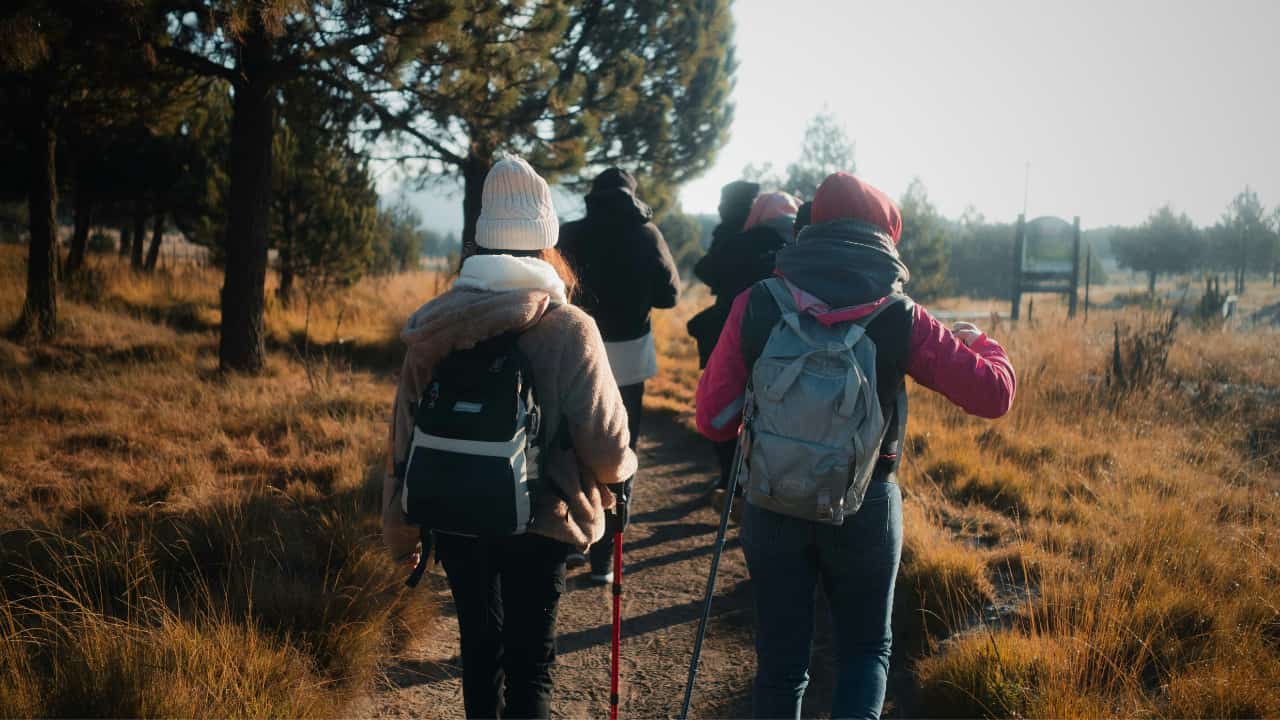
I spent a long time blaming myself for quitting the treadmill. Turns out the treadmill was a chunk of the problem, not me.
Here is the thing nobody tells you when you start trying to lose weight by moving more. The exercise that finally works is almost never the one that burns the most calories on paper. It is the one you will actually do again tomorrow, and the day after, and the month after that.
For me that turned out to be hiking. The weight is still coming off as I keep earning the miles. But when I look back, the calories were almost a side effect. What I was really walking off, week after week, was the boredom that had killed every plan before it.
The treadmill was not too hard, it was too boring

A treadmill asks you to stare at a wall and suffer for the privilege. Forty minutes feels like ninety. You watch the clock, you count down, and the whole time some quiet part of your brain is building a case for why you can skip tomorrow.
Hiking does not give that part of your brain anything to work with.
You are looking at a creek, a ridgeline, a turn in the trail you have not seen yet. Your mind is busy in the good way. You forget you are exercising, and you stay out for two hours when you swore you only had time for one. That is the whole trick, and it is the part the calorie charts cannot measure.
What hiking actually burns, and why your number is bigger
Now the honest mechanics, because they do matter. A flat, easy stroll burns less than you would hope, maybe 250 calories in an hour at a gentle pace. Put a real hill under your feet and that number climbs fast. Climbing burns far more than covering the same distance on the flat, because you are lifting your entire body weight up with every single step.
Here is the part that is rarely said out loud to the people who most need to hear it. If you are carrying extra weight right now, you burn more, not less. Hauling 230 pounds up a grade costs a lot more energy than hauling 150. The math that feels like a punishment in every other corner of life quietly works in your favor on a hill. A bigger body on an incline can push past 500 calories an hour without trying to be a hero about it.
So the range you see quoted, 400 to 600 and up, is real. It just depends on your body, your pace, the grade, and whether you are carrying a pack.
The part that keeps working after you sit down
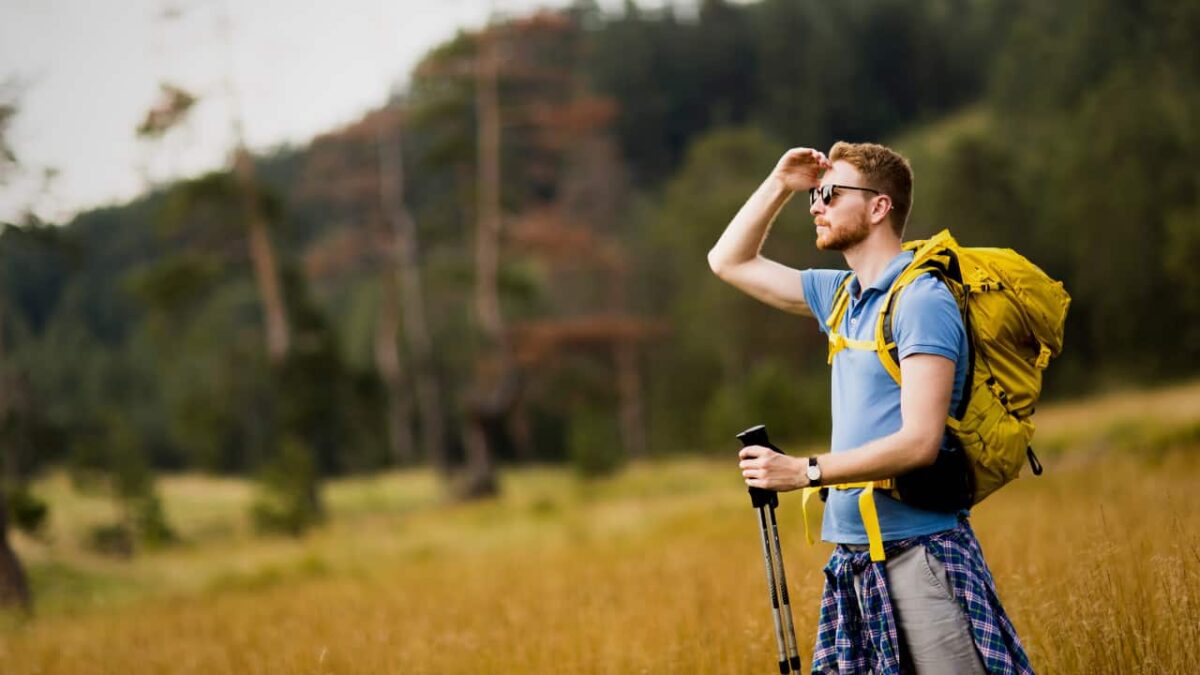
Normal walking on a flat sidewalk is mostly your legs going through the motions. A trail is a different animal.
Uneven ground, roots, rocks, a slope that tilts you side to side, all of it pulls in your core, your glutes, your quads, and a hundred small stabilizing muscles you never think about. You are not just doing cardio. You are building a little strength everywhere, and muscle is the tissue that keeps quietly burning calories after you are home on the couch.
The other win is your joints. Trail dirt and pine duff are far kinder than pavement, so you can stay out longer and come back sooner without your knees filing a complaint. Longer and more often is exactly what weight loss rewards.
The deficit is still the deficit
Here is where I have to be the friend who tells you the annoying truth. Hiking does not cancel out the kitchen. You lose weight when you burn more than you eat, day after day, and a hard climb does not buy you a free pass at dinner.
I learned this in a gravel parking lot, sweaty and proud, ordering a burrito roughly the size of my own forearm because I had earned it. I had burned maybe 500 calories on the trail. The burrito was 1,100.
I quietly erased the whole hike and then some, and I did this for weeks before the scale forced me to notice.
So enjoy the food. Just do not treat every hike as a coupon. The hike does not undo the meal, it sits next to it, and the deficit is what actually moves the number.
How to start when you are starting from zero
You do not need a closet of technical gear or a famous trail. You need a route you will finish smiling.
Pick something under a few miles and not too steep for the first handful of outings. Distance does more for you than punishment does, and a brutal first hike is just a fast way to never go again. If even a flat trail feels like a stretch right now, that is fine, start with plain walking and let it grow. Build the habit before you build the challenge.
For gear, raid what you already own first. A pair of sneakers you do not mind getting muddy, moisture wicking layers instead of cotton, and any sturdy backpack for water, a snack, and an extra layer. That is a real start, and it lives in the wider world of walking and hiking that this site is built around.
When the easy trails stop feeling like much, you have two simple dials. Find steeper ground, or add a little weight to that backpack. Carrying load turns an ordinary walk into something closer to rucking, and a few extra pounds bumps the burn without adding a single mile. We dug into that exact idea in whether rucking is good for weight loss.
One more thing that kept me coming back. Make the hike yours. Stop if you like at the overlook. Learn the name of that one noisy or pretty bird. Take the photos. The goal is not to suffer efficiently, it is to build something you will still be doing a year from now.
The weight I lost was real, and I am proud of it. But the thing I would tell anyone standing where I stood, treadmill gathering dust in the spare room, is that the calories were never the hard part. Staying interested was.
Find the trail that makes you forget you are working, and the work takes care of itself.
Whatever your next mile looks like, just go earn it.