Half Your Sweat Is Wasted, and Your Shirt Decides Which HalfSweat only cools you when evaporating
Gear Guides
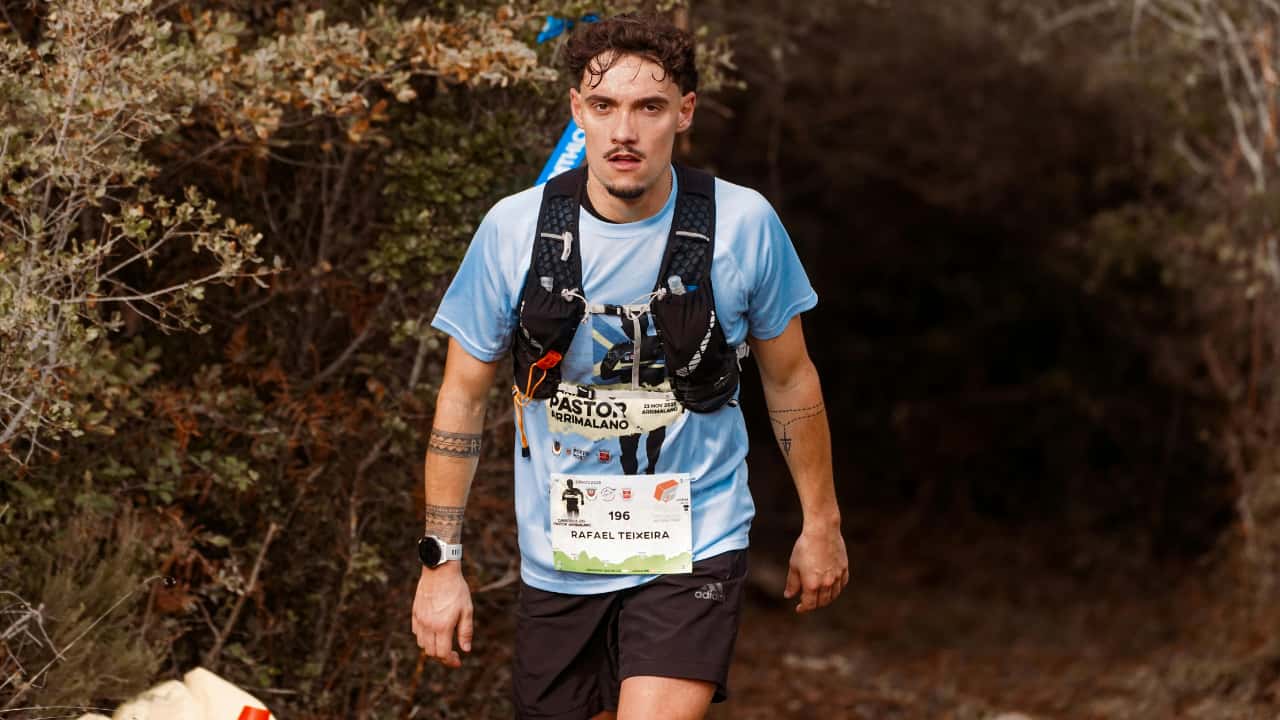
The 5K is a road or trail race covering five kilometers, roughly 3.1 miles. It is the most popular race distance in the world, the most beginner-friendly competitive running format available, and the entry point through which more people have discovered a love of running than any other event. Short enough to be completed by almost anyone willing to train for it, fast enough to be genuinely challenging at every level of fitness, and social enough to feel celebratory rather than grueling, the 5K occupies a unique place in the running world that no other distance quite replicates.
Benefits: Ignites running confidence through achievable, measurable progress
Expected Startup Costs: $100 to $600 per year (shoes + entry fees + optional gear)
A 5K is a running race covering five kilometers. It takes place on roads, paths, tracks, trails, and park grass depending on the event format, and it can be completed in anywhere from just over thirteen minutes by elite runners to forty-five minutes or more by beginners, with every finish time in between representing a genuine personal achievement. The distance is short enough that most reasonably active people can complete it without specific training, but demanding enough that it rewards serious preparation and produces meaningful fitness gains across every level of runner.
The 5K exists in more formats and contexts than almost any other race distance. Formal road races with chip timing, age group categories, and competitive fields sit at one end of the spectrum. Parkrun, the free weekly timed five kilometer run held in parks across dozens of countries every Saturday morning, sits at the other, with a deliberately non-competitive atmosphere that welcomes walkers, joggers, and elite runners in the same event with equal enthusiasm. Between those extremes are charity runs, color runs, night runs, obstacle-light fun runs, track races, and cross-country 5Ks, each offering a different experience of the same distance.
What makes the 5K distinctive as a competitive distance is the specific physiological demand it places on the runner. It is long enough that pure speed is not sufficient to excel and a meaningful aerobic base is required. It is short enough that lactate threshold, the intensity ceiling at which the body begins to accumulate fatigue faster than it can clear it, is pushed hard throughout the race. Running a well-paced 5K at genuine effort is uncomfortable in a way that longer races at slower paces are not, and learning to manage that discomfort productively is one of the most transferable athletic skills the distance develops.
The 5K is also the benchmark distance most commonly used to measure running fitness improvement over time. A faster 5K time is a reliable indicator of improved aerobic capacity, running economy, and speed endurance, and tracking your 5K personal best across months and years provides a clear and motivating record of athletic development that runners at every level find meaningful.
The most popular and widely proven approach to starting 5K running is the Couch to 5K program, commonly abbreviated as C25K. It is a structured eight to nine week plan that begins with alternating short intervals of walking and running and gradually shifts the balance toward sustained running over the course of the program. Completing C25K produces a beginner who can run five kilometers continuously, which is exactly the foundation needed to enter a 5K race with confidence. The program is available as a free app, a free podcast, and in written form across countless running websites, and its track record with absolute beginners is exceptional.
If you already run occasionally but have not raced a 5K before, the starting point is registering for an event and beginning to incorporate structured training rather than purely casual running into your weekly routine. The difference between running for general fitness and training specifically for a 5K is the addition of at least one session per week with a specific pace or effort target, which develops the speed and discomfort tolerance that 5K racing demands beyond what easy running alone produces.
Find a local parkrun and attend before your first race if one is accessible to you. Parkrun is free, welcoming, and provides an excellent low-pressure environment to experience what running a timed 5K actually feels like without the formality or cost of a race entry. Many people run parkrun regularly throughout their training as their weekly benchmark and treat it as both a training run and a social event simultaneously, which is one of the things that makes it such an effective and enjoyable part of the 5K community.
Do not underestimate the importance of pacing in your first 5K. The most common mistake among first-time racers at every distance, but particularly at the 5K where the start feels fast and exciting, is going out too hard in the first kilometer and paying for it in the final two. Running the first kilometer at a comfortable controlled pace, building effort in the middle, and pushing hard only in the final kilometer produces significantly better times and a far more enjoyable race experience than sprinting the first minute and struggling to survive the rest.
Gear Guides
How-To & Guides

Gear Guides

Nutrition & Fueling

Month 1: If you are beginning from little or no running background, the first month is about building the habit and the aerobic foundation. The Couch to 5K program or a similar beginner plan structures this phase effectively, alternating walking and running in sessions of twenty to thirty minutes three times per week. Your cardiovascular system will adapt faster than your legs and connective tissue, which means the breathlessness of early runs resolves before the shin soreness, knee fatigue, and calf tightness do. This is completely normal and reflects the body’s adaptation timeline rather than anything being wrong.
Resist the urge to run every day in the first month. Three runs per week with rest days in between is the optimal structure for beginner runners, allowing the body to repair and strengthen between sessions rather than accumulating fatigue that leads to injury. The runners who get injured most often in the early weeks of training are almost always those who do too much too soon out of enthusiasm, not those who follow a conservative plan patiently.
Month 2: Running is beginning to feel more natural and the walk-run intervals of the early weeks are giving way to longer continuous running efforts. Your aerobic system is adapting, which means paces that left you breathless in week one are now manageable, and you are developing a feel for the difference between an easy effort and a hard one. This is the month to begin attending parkrun or a local running group if you have not already, as running with others at this stage both accelerates fitness development and makes the process significantly more enjoyable.
Start thinking about entering a specific 5K race within the next four to eight weeks. Having a race date gives the second month of training a forward momentum and a concrete goal that purely habitual running lacks. Even if you do not feel ready, entering a race and committing to it is one of the most effective motivational tools available to a beginner runner. The mere existence of a race entry on your calendar changes how you approach each training run.
Month 3: You are capable of running five kilometers continuously and are refining your pace, building your fitness, and developing the specific discomfort tolerance that racing a 5K at genuine effort requires. This is the phase where most beginner runners run their first race and discover that the experience is more rewarding and more manageable than they feared, and that crossing the finish line of a timed 5K produces a disproportionate sense of achievement relative to the distance involved.
After your first race, use your finishing time as a baseline rather than a ceiling. The improvement from a first 5K to a trained second attempt is often significant, sometimes three to five minutes or more, as pacing experience, race familiarity, and continued fitness development combine. Set a specific time goal for your next race and begin incorporating the structured speed work that produces real 5K performance gains beyond what easy running alone can deliver.


Mindset & Motivation

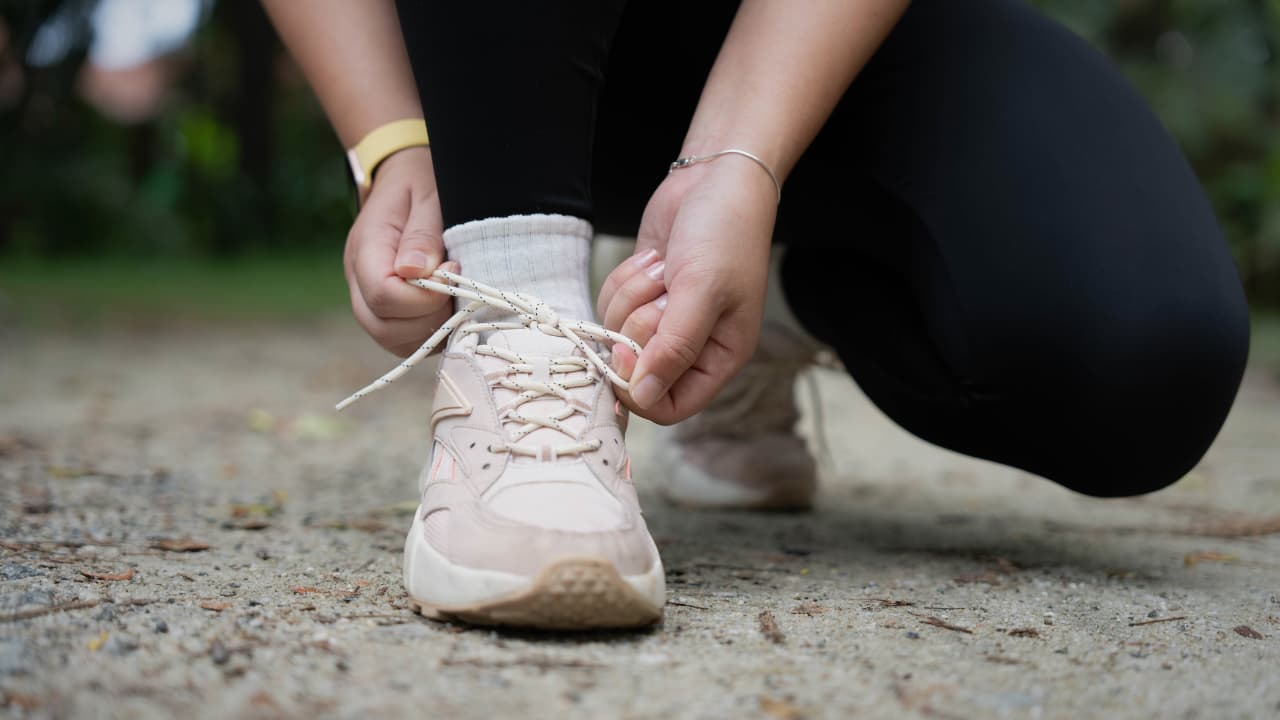
Running shoes ($100 to $180): A well-fitted pair of running shoes from a specialist running store is the only genuinely essential purchase for 5K running. Visit a running store rather than a general sports retailer and ask for a gait assessment. Staff at specialist stores will watch you walk and jog and recommend shoes suited to your foot mechanics, which reduces injury risk and improves comfort significantly compared to choosing based on appearance or brand alone. For the distances involved in 5K training, most neutral or mild stability shoes from established running brands provide adequate support and cushioning. Replace shoes every six hundred to eight hundred kilometers, which for a 5K runner in regular training represents roughly one to two years of use.
Running kit ($30 to $100): Lightweight moisture-wicking shorts or tights and a technical running top are all the clothing required. Avoid cotton, which holds sweat and causes chafing on runs of any meaningful duration. For running in cooler conditions, a lightweight long-sleeve technical top or a thin running jacket extends your comfortable temperature range without significant additional cost or bulk. Most people have clothing already suitable for starting 5K training without any new purchases, making this the one discipline in the series where the clothing cost can genuinely be zero for the first several weeks.
GPS watch or running app ($0 to $400): Tracking your runs is motivating, useful for understanding your pace, and provides the training data that helps you improve over time. A free running app on your smartphone, such as Strava or Nike Run Club, provides pace, distance, and basic training log functionality at no cost and is entirely sufficient for most beginner and intermediate 5K runners. A dedicated GPS running watch removes the need to carry your phone, adds heart rate monitoring, and provides more detailed training analysis, making it a worthwhile investment for runners who become serious about performance tracking and structured training.
Race entry fees ($0 to $50 per race): Parkrun is completely free and available every Saturday morning in hundreds of locations across dozens of countries, making it the most accessible competitive running format in the world. Formal 5K road races typically cost $20 to $50 depending on the event size, location, and included benefits such as a race shirt or finisher medal. Charity 5K events vary widely in cost but are often in the $25 to $40 range. The low entry cost of the 5K compared to longer race distances is one of its most appealing characteristics and allows frequent racing without significant financial commitment.
Running socks ($10 to $25 per pair): Technical running socks with moisture management and blister-reducing construction make a genuine difference in comfort and foot health during training and racing. Thin synthetic or merino wool running socks from brands like Balega, Darn Tough, or Feetures prevent the blisters and hot spots that cotton socks produce and are worth the modest additional cost over generic alternatives. Having three to four pairs in rotation allows a fresh pair for every run without frequent washing cycles.
How-To & Guides


5K training progression follows a clear and well-documented path from building aerobic base to developing speed endurance to racing with tactical awareness and pace control. The sport is one of the most thoroughly researched in exercise science, and the training principles that produce improvement at the 5K distance are well understood and reliably effective when applied consistently over weeks and months.
The foundation of all 5K training is aerobic base development through easy running. Running three to five times per week at a comfortable conversational pace builds the cardiovascular efficiency, running economy, and muscular endurance that underpin performance at the 5K distance. Beginners should spend their first eight to twelve weeks building this base before introducing structured speed work, allowing the body to adapt to the consistent demands of running before the additional stress of high-intensity efforts is layered on top.
Once a base is established, interval training becomes the most powerful tool for improving 5K performance. Short hard efforts of two hundred to eight hundred meters run at a pace faster than your goal 5K race pace, separated by recovery jogs or walks, develop the speed, lactate threshold, and running economy that translate directly into faster race times. A simple and effective interval session for a developing 5K runner is six to eight repetitions of four hundred meters at a hard but controlled effort with ninety seconds of walking recovery between each. Even one interval session per week alongside three easy runs produces meaningful improvement in 5K performance over a training cycle of eight to twelve weeks.
Tempo running, which involves sustained efforts of twenty to thirty minutes at a comfortably hard pace that you could maintain for roughly one hour of racing, develops the lactate threshold that determines how fast you can run the 5K without accumulating fatigue that forces you to slow down. A weekly tempo run is the second most important session in a 5K training plan after the long easy run and produces specific physiological adaptations that interval training alone does not develop as effectively.
Progression in 5K running is among the most measurable and motivating of any discipline in this series. Personal best improvements of thirty seconds to several minutes between successive races are common in the first year of structured training, and each faster time represents a clear and objective marker of fitness development. The improvement curve is steepest in the first year, particularly for those who began from a low fitness baseline, and continues at a more measured pace for experienced runners who are working closer to their genetic potential. Many runners pursue 5K personal bests for years or decades, finding the combination of achievable distance, accessible racing calendar, and clear performance metrics one of the most sustainably motivating frameworks in all of recreational sport.
The natural progression beyond the 5K leads to the 10K and eventually the half marathon for runners drawn to longer distances. Many runners, however, find the 5K the ideal permanent home in running, returning to it repeatedly throughout their lives as a fitness benchmark, a competitive pursuit, and a weekly social ritual through parkrun. There is no obligation to go further, and for many people the 5K provides everything a running practice needs to be fulfilling, challenging, and sustainable for life.