The "2 Liters a Day" Rule Has No Idea How Hot It Is or How High You're GoingCarry a method, not a number.
How-To & Guides

Thruhiking means walking a long distance trail from one end to the other in a single continuous trip, often over weeks or months. It is part physical challenge, part mental reset, and part lifestyle. You carry everything you need on your back and let the trail set the rhythm of your days.
Benefits: Builds endurance, resilience, and lasting confidence
Expected Startup Costs: $1,000 to $5,000+
Thruhiking is the practice of hiking an established long distance trail from end to end in one continuous journey. Instead of day hikes or weekend trips, you commit to a single route and walk it start to finish, resupplying food and gear in towns along the way.
The defining feature is continuity. A thruhike is one unbroken effort, even if you take rest days. This is different from section hiking, where people complete a long trail in separate pieces over months or years.
Trails range enormously in length. A short thruhike might be the 40 mile Foothills Trail in South Carolina or the roughly 70 mile Wonderland Trail around Mount Rainier. The famous long trails are far bigger. The Appalachian Trail runs about 2,190 miles from Georgia to Maine. The Pacific Crest Trail covers roughly 2,650 miles from Mexico to Canada. The Continental Divide Trail stretches around 3,100 miles. Together these three make up what hikers call the Triple Crown.
A thruhiker typically walks anywhere from 8 to 25 plus miles per day, sleeps in a tent, hammock, or trail shelter, and carries a pack weighing roughly 15 to 35 pounds depending on food and water. The experience blends real physical demand with long stretches of solitude, simplicity, and time outdoors.
It is worth being honest about the appeal. Many people are drawn to thruhiking not just for the scenery but for the mental clarity that comes from doing one simple thing all day, every day. Walk, eat, sleep, repeat. The simplicity is the point.
The best way to start is small. Before committing to a multi month trek, take a few overnight backpacking trips on local trails. This teaches you how your body handles a loaded pack, how to set up camp, and which gear actually works for you.
Begin by choosing a realistic first trail. A beginner is far better served by a well marked, well supported trail of 40 to 200 miles than by jumping straight onto a 2,000 mile route. Shorter trails let you learn the rhythm of thruhiking with lower stakes and lower cost.
Next, learn the core skills. You will want to be comfortable reading a map and using a navigation app such as FarOut or Gaia, filtering or treating water, planning food resupply, and managing your body in heat, cold, and rain. None of these are complicated, but practicing them at home and on short trips builds real confidence.
Get your body ready in advance. Start walking regularly with a weighted pack, gradually increasing distance and elevation over several weeks or months. Training with the actual weight you will carry is one of the single most useful things you can do. Your feet, knees, and shoulders all need time to adapt.
Finally, do your homework on logistics. Research permits, since trails like the Pacific Crest Trail require one. Look into seasonal timing, because starting too early or too late can mean dangerous snow or heat. Read trip reports and join hiker communities online, where experienced thruhikers freely share advice. The Trek and the official trail association websites are good starting points for trustworthy information.
How-To & Guides
Nutrition & Fueling

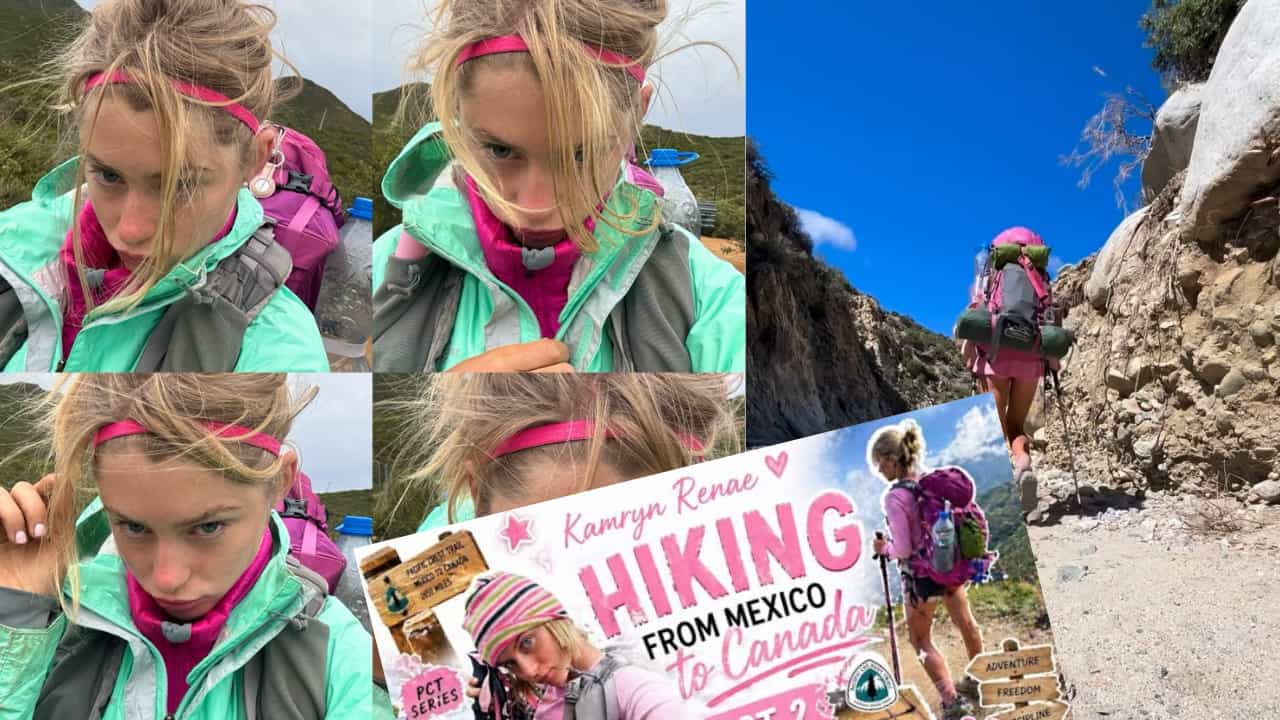
The first stretch of a thruhike is the hardest, and most people who quit do so early. Knowing what is coming helps you push through the rough start.
Weeks one to three are about adjustment and pain. Your feet will blister, your muscles will ache, and your pack will feel too heavy. This is completely normal. Most hikers cover fewer miles than they expected at first and feel slow. The key is to start gently, keep daily distances modest, and resist the urge to rush. Many experienced hikers send home gear they thought they needed during this phase.
By weeks four to six, your body begins to catch up. Your legs grow stronger, your feet toughen, and the daily routine starts to feel natural. This is often when hikers find their pace and their stride. Around this time many people experience what is known as hiker hunger, an enormous increase in appetite as your body burns thousands of calories a day.
Weeks seven to thirteen are usually the sweet spot. You are fit, efficient, and settled into trail life. You will likely have formed friendships with other hikers moving at your pace, sometimes called your trail family. This is when many hikers say the trail stops feeling like a struggle and starts feeling like home.
Expect mental ups and downs throughout. Some days feel effortless and joyful. Others feel monotonous, lonely, or frustrating, especially in bad weather. Learning to ride out the low days without quitting is the real skill of thruhiking.
Practical realities to plan for in this window include managing minor injuries, taking rest days in town to recover, adjusting your food and gear as you learn, and budgeting carefully since town stops add up faster than most beginners expect.
Gear is where most beginners overspend or under prepare, so it pays to understand the essentials. Your initial gear setup will typically cost between $1,000 and $3,000 in 2026, with budget setups possible below that and ultralight or premium kits running well above it.
The foundation of your kit is what hikers call the big three: your shelter, your sleep system, and your pack. These are the heaviest and most expensive items, so they deserve the most attention.
Beyond the big three, you will need supporting gear that adds up quickly.
Then there is the ongoing cost of actually being on trail, which catches many people by surprise. For a long thruhike, the biggest expenses are food and town stops, not gear. The most recent surveys show that 2026 hikers on the Appalachian Trail tend to spend roughly $4,500 to $9,000 in total over a five to six month hike. On the longer and more expensive Pacific Crest Trail, the average is closer to $10,700. Much of that goes to food resupply, hostels and hotels, restaurant meals, and the occasional unplanned rest day.
A useful rule of thumb for 2026 is to budget around $1,500 per month on trail for food, lodging, and gear replacement, on top of your initial gear investment. Time spent in town is the single biggest budget risk, since every rest day usually means paying for a bed and meals without making progress.
If money is tight, you can keep costs down dramatically by buying used or budget gear, camping instead of staying in town, cooking your own resupply rather than eating out, and choosing a shorter trail. Plenty of people complete long trails on far less than the averages above.
Thruhiking has a natural progression, both in how you prepare and in how you grow as a hiker over time. You do not need to master everything at once.
Start with physical preparation in the months before your hike. The most effective training is simply walking, ideally with a loaded pack and over hills. Aim to build up gradually so that carrying your full pack for several hours feels manageable before you set out. Strengthening your legs, core, and ankles helps prevent the most common overuse injuries. Cardio fitness from activities like running, cycling, or stair climbing also helps, but loaded walking is the priority.
That said, many successful thruhikers train very little and simply start slow, letting the trail itself build their fitness over the first few weeks. The trail will get you in shape whether or not you arrive ready. Training mainly reduces early pain and injury risk.
In terms of skill progression, a sensible path looks like this. Begin with day hikes to build comfort on trails. Move on to overnight backpacking trips to learn camp craft. Then attempt a short multi day trip of three to five days, which closely mirrors real thruhiking life. From there, a short thruhike of one to two weeks becomes a realistic goal, and only then do the massive long trails make sense.
As you gain experience, your progression often shifts toward refinement rather than just distance. Experienced thruhikers tend to lighten their pack weight, dial in their food and resupply strategy, improve their daily mileage efficiency, and handle bad weather and navigation with growing ease. Many hikers describe the journey from heavy beginner pack to streamlined ultralight kit as a hobby within the hobby.
The long term path for the most committed is well defined. After a first long trail, many hikers set their sights on the Triple Crown, completing the Appalachian Trail, the Pacific Crest Trail, and the Continental Divide Trail. Beyond that lie international routes and remote, unmarked wilderness traverses for those who want to keep pushing. There is always a longer, wilder, or more difficult trail waiting, which is part of why so many people return to thruhiking again and again.