The 7 Types of Hiking, Ranked by How Badly They'll Break You
The ranking in that title is half a joke. Stay with me though, because the serious half is the part that actually helps. Hiking is not one activity. It is a dozen different activities wearing the same boots. Some are a slow Sunday loop where the hardest decision is which snack to eat first. Some…

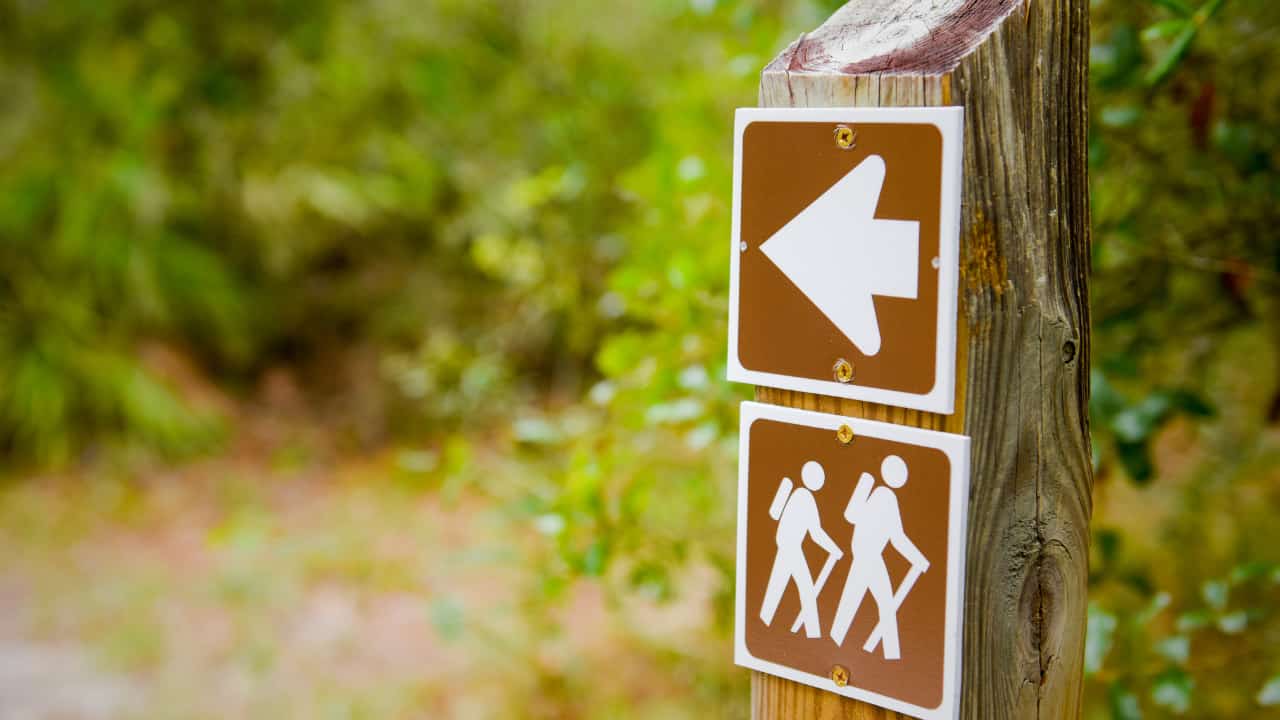
The ranking in that title is half a joke. Stay with me though, because the serious half is the part that actually helps.
Hiking is not one activity. It is a dozen different activities wearing the same boots. Some are a slow Sunday loop where the hardest decision is which snack to eat first. Some will have you crawling into your tent at hour eleven, quietly asking whose idea this was.
Here is what nobody tells the newcomer: none of these is the real hiking and the rest pretenders. A gentle hike is not a lesser hike. The list below is ranked by how hard each one is on your body, and only that. It is not a ranking of worth, and it is definitely not a to do list you climb in order.
The point is to sample the whole spread and find the one that lights you up. So we will start with the kindest, and work toward the kind that earns its reputation.
1. Day Hiking, the one you never outgrow
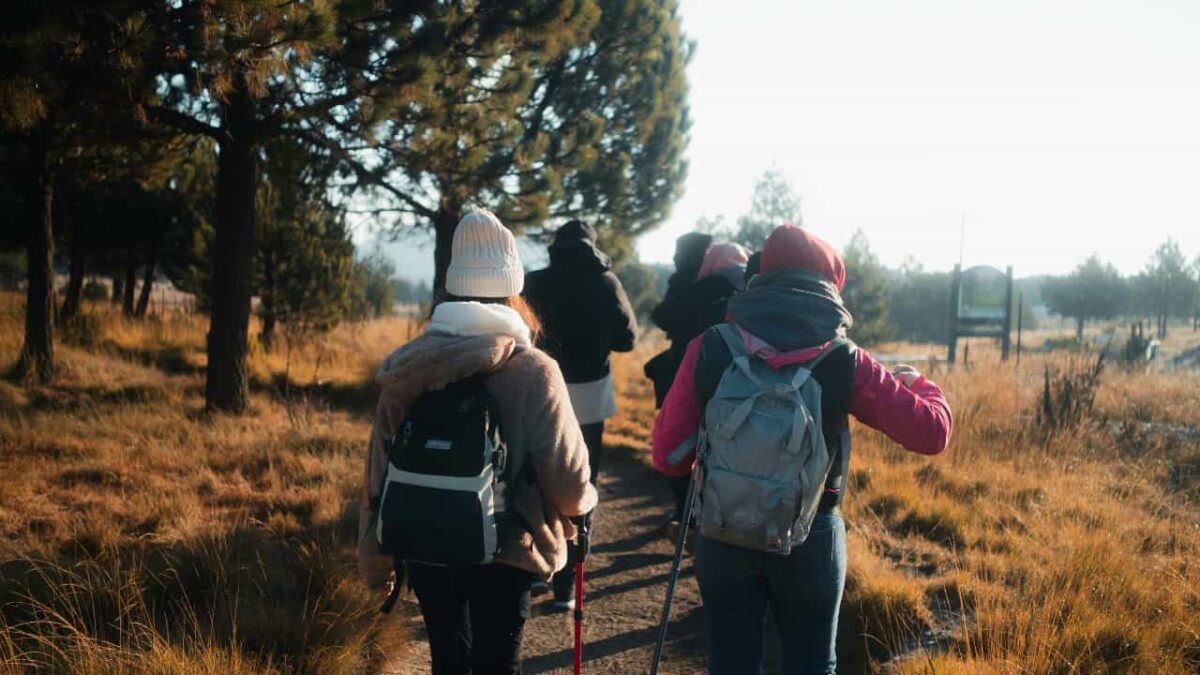
A day hike is exactly what it sounds like. You drive to a trailhead, walk a few hours, turn around, and sleep in your own bed that night.
This is where almost everyone starts, and here is the surprise: most hikers never stop doing it, no matter how far they go later. It is the cleanest version of the whole thing. Light pack, no overnight gear, no logistics beyond water, snacks, and a layer in case the weather turns.
For a beginner, a bigger body, or anyone returning after time off, the day hike is the front door. You can pick a flat three mile loop or a lung busting climb, and you control the dose. Bad day? You bail early and nobody ever knows.
It barely breaks you, and that is the feature, not a flaw. Build your legs and your confidence here first. Everything else on this list rests on the base you build walking back to your car.
2. Base Camping, comfort with a view
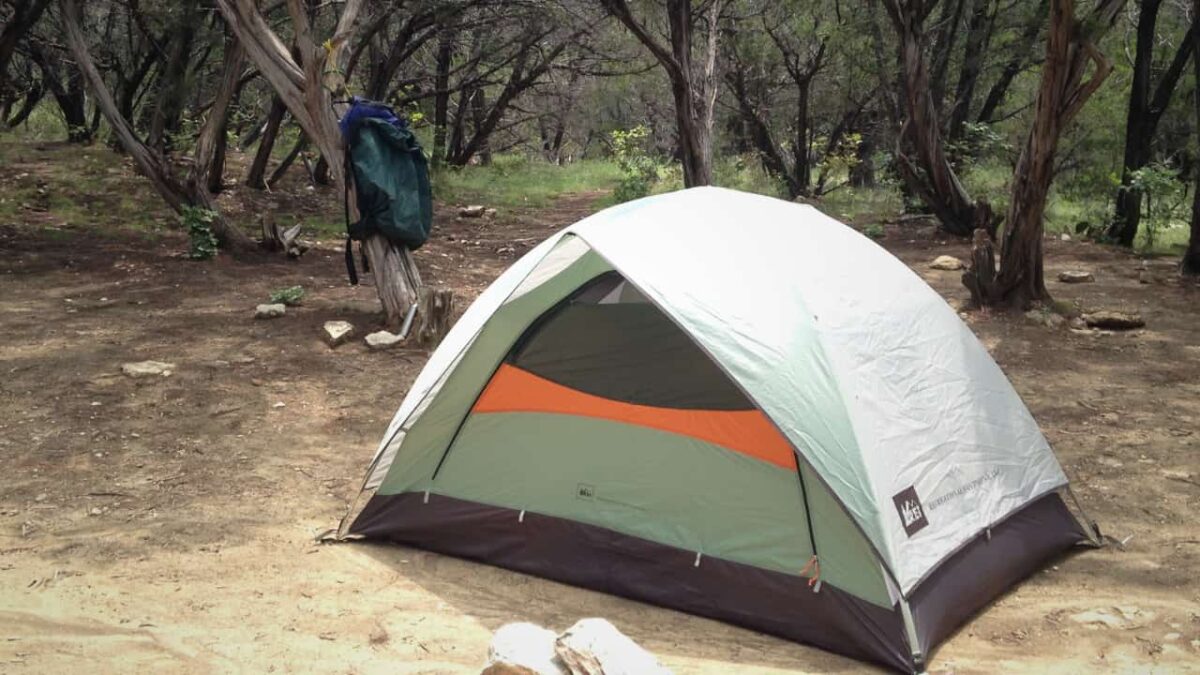
Base camping is day hiking that sleeps over.
You haul your gear to one campsite, set it up properly, then use that camp as a hub. Each morning you head out on a different route, and each evening you come back to the same tent, the same chair, the same spot you already made comfortable.
Picture a wheel. Camp is the center, and every day’s hike is a spoke that loops back to it. You carry a light daypack on the trail because the heavy load already lives at camp.
This is the gentlest way to taste multi day hiking without the part that wrecks most beginners, which is carrying everything on your back for miles. You get the campfire, the stars, the second and third day on the trail, and a sleeping pad waiting for you each night.
The tradeoff is range. You can only roam as far as a round trip allows before dark. For a first overnight, that limit is a gift, not a cage.
3. Section Hiking, the long trail in bites

Some of the famous trails run for thousands of miles. Section hiking is how a normal person with a job and a family actually touches one.
Instead of swallowing a whole trail in one heroic push, you take a piece. A weekend here, a long weekend there, one chunk at a time, until the pieces add up to the whole.
You might walk thirty miles of the Appalachian Trail this spring and come back for the next thirty next year. Nobody hands out a medal for finishing faster, and the trail does not care how long you take.
What makes this beautiful for a beginner is that it scales to exactly your level. Start with a short, friendly section. As your endurance grows, your sections grow with you. It breaks you only as much as the piece you pick, which means you are the one holding the dial. That kind of control is rare, and worth a lot when you are still learning what your body can do.
4. Backpacking, your house on your back

This is where the effort levels begin to climb.
Backpacking means carrying everything you need to live for a few days, tent, sleeping bag, stove, food, water, and walking it into the backcountry on your spine. You sleep where you stop, then pack it all up and do it again.
The weight is the whole story. A loaded pack changes how your knees feel on a descent, how your shoulders feel by mile eight, and how fast you actually move. Miles that felt easy on a day hike become real work with thirty pounds riding on you.
But backpacking buys you something the gentler types cannot. It takes you past where the day hikers turn around, into country most people never see, and it pulls the plug on your phone, your inbox, and the nine to five hum for a few honest days.
Train for the load before you chase the views. If you want a low cost way to prep your body for weight on your back, rucking is the quiet on ramp that gets your hips and shoulders ready.
5. Peak Bagging, collecting summits

Peak bagging is basically hiking with a scoreboard.
You pick a set of summits, usually a list someone has already made famous, like Colorado’s fourteeners, and you start checking them off one by one. Each top you reach gets crossed off, and the list pulls you back out the door for the next one.
The reward is real, and a little addictive. There is a clean satisfaction in standing on a named high point, looking back at where you came from, and knowing the list got one shorter today.
The cost lands in your legs and your lungs. Summits mean climbing, often steep and sustained, frequently at altitude where the air thins out and your easy pace suddenly is not. The descent punishes your quads in a way flat miles never will.
This one suits the goal oriented hiker who loves a finished checklist. If the downhill is what wrecks your legs every time, learning to handle a descent properly will save you on every summit return, and our guide on why your quads are not the problem breaks down exactly how.
6. Scrambling, when your hands join in

Scrambling is the moment hiking stops being only a leg activity.
The trail gets steep and rocky enough that walking upright no longer works, so you reach out and use your hands to pull, hold, and balance your way up. It lives in the gap between hiking and real rock climbing.
It engages your whole body, and it asks for nerve. The easier scrambles are basically steep, hands on hiking, and a lot of fun. The harder ones edge toward exposed rock with serious consequences if you slip, often without the rope and harness a climber would clip into.
That is the honest warning: scrambling can be far more dangerous than the polished photos suggest, and the difficulty jumps fast between grades. Start low, on terrain rated for beginners, ideally with someone who has done it before.
It breaks you in a different currency than the others. Less about endurance, more about strength, balance, and keeping your head when the ground falls away beside you.
7. Thru-Hiking, the monster at the top

Then there is thru-hiking, and everything else on this list has been training wheels.
To thru-hike is to walk an entire long trail end to end in one continuous push. We are talking the big ones, the Appalachian Trail at around 2,200 miles, the Pacific Crest Trail near 2,700, trails that swallow months of your life in a single go.
Do the math on one and it stops being abstract. Cover twenty miles a day, a strong pace with a full pack, and a 2,200 mile trail still takes the better part of four months of walking nearly every single day.
This is the deep end. It breaks your body, tests your head, chews through your gear, and reshapes your whole life around one trail for an entire season. Hikers who finish one tend to talk about it for the rest of their lives.
No beginner should start here, and that is exactly the point of everything above it. You earn your way up to this, one gentler type at a time.
So which one breaks you worst
For your legs, the answer runs roughly top to bottom. A thru-hike will take more out of you than a Sunday day hike, and that is just physics.
For your worth as a hiker, the ranking means nothing at all.
The hiker doing a calm three mile loop with their dog is no less a hiker than the one halfway up a fourteener. They have simply turned a different dial. Same boots, same earned miles, a different flavor of hard.
Here is the move, and it is the whole reason this list exists. Do not pick one and defend it forever. Try the ladder. Spend a season on day hikes, sleep out at a base camp, take a bite of a long trail, shoulder a pack overnight. You will be surprised which one grabs you, and it is often not the one you expected.
Every type on this list is a door, and not one of them is the wrong one.
If you are not sure where you fit yet, our guide to finding your outdoor discipline is built for exactly that question. And whatever your next mile looks like, earn it.